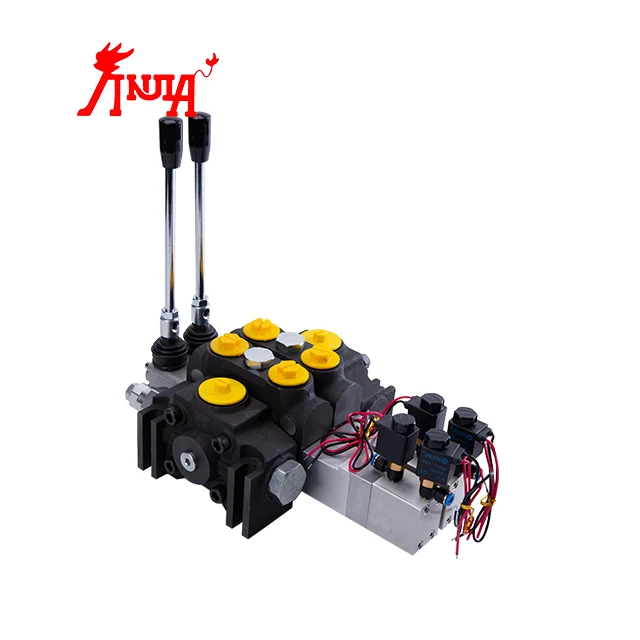
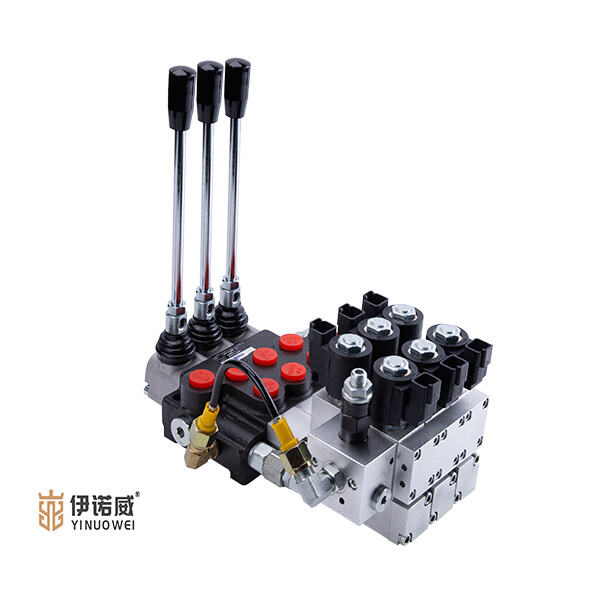
Hydraulic control valves are an integral part of a wide variety of industrial machines and equipment, which rely on them for accurate regulation of both flow and pressure of hydraulic fluids. Knowing the various hydraulic control valves available in the market is important if you want to make that perfect selection for your machine. Different types of hydraulic control valves are available for use in different applications and for carrying out different functions. There are a few factors that need to be included when choosing power beyond hydraulic control valve, those are flow rate, pressure rating, and compatibility with your hydraulic system.
Different Types of Hydraulic Control Valves There are many different types of hydraulic control valves available. Some of them are: Directional control valves, Pressure control valves, Flow control valves, Proportional control valves, etc. D.C. valves control the movement (direction) of a hydraulic cylinder or hydraulic motor by re-directing the flow of hydraulic fluid. Regulators on the other hand, do not allow the pressure within the hydraulic system to exceed the set point to avoid overpressure or even damage. Flow control valves control the speed of hydraulic fluid in a hydraulic system whereas proportional control valves give fine control over flow rate in accordance with input signals.
Pneumatic and hydraulic control valves generally fall into one of several configurations including spool, poppet, and cartridge. Spool valves are the most common type of control valve, which has a cylindrical spool that reciprocates with the hydraulic fluid flow. Poppet-type valves use a disc, spring loaded to prevent flow, with fast response times and high pressure ratings. Cartridge Valves are these small, one-piece, plug-in relief valves that are used in a hydraulic system where space is a factor and system design is often trended toward one covering the first point.
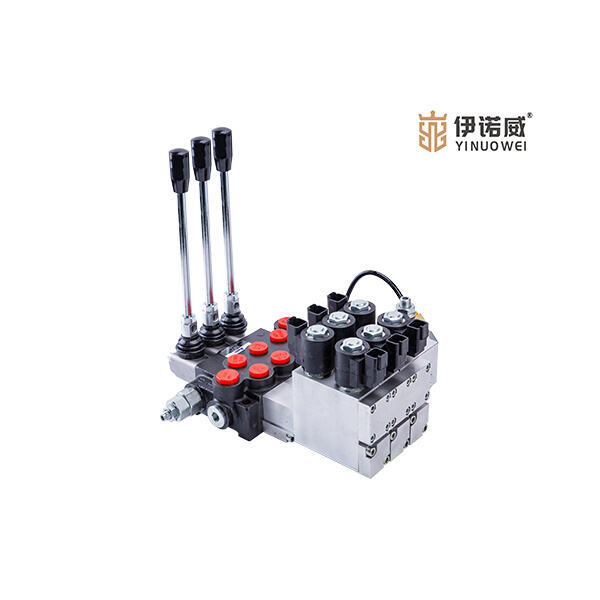
When choosing the appropriate hydraulic control valve, you must also take into account things such as flow rate, pressure rating, and the way the control valve is operated. A valve with an appropriate flow rate must provide what is needed for your hydraulic system to work best. The valves’ pressure capacity should align with the pressure range of your hydraulic system to avoid damage or failure. What’s more, the appropriateness of your control, be it manual, solenoid, or proportional, can improve the effectiveness and accuracy of your machinery.
The application of the hydraulic control valve should also take the working conditions into account. Temperature, Humidity, and vibration levels will also affect the performance and service life of the valve. Choosing a valve with the right materials and sealing options will help maintain dependable performance in tough environments. If you're not sure which hydraulic control valve to select, consult a hydraulic system expert or the manufacturer of the valve manufacturer before selecting to ensure you have the best fit.
Jin Jia is the one of the top suppliers of hydraulic control valves, providing premium quality products and delivering solutions. JinJia Based on 30 years of professional design from quality control and a solid emphasis on quality control, JinJia provides a full line of hydraulic control valves for a broad variety of industrial applications. Pursuing ExcellAnce and satisfaction of our clients, JinJia Hydraulic continually aims to excel and create crisp hydraulic control valves that suit any wholesale purchasers.
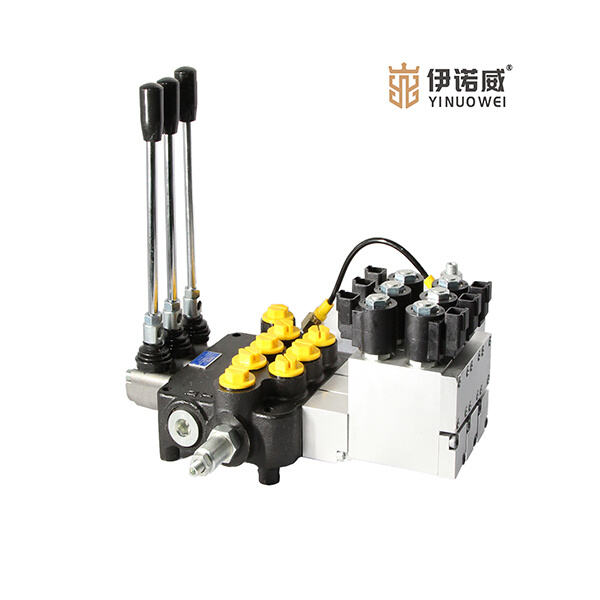
JinJia’s hydraulis control valves are engineered to deliver accurate one-to-one control, efficient power use and trusted performance in industrial applications. Directional control valves, pressure control valves, flow control valves, proportional control valves, etc., whether you need, JinJia can always meet you. With a professional R&D and a client-oriented team, JinJia guarantees that each product is made with love and effort, and that all the products are in high quality.
The combination of first-class equipment with the unique manufacturing process has created super-class products.One of the defining features is its single lock design which ensures that the valve remains in the correct position even during periods of high vibration or shock. The valve's simple yet rugged design means that it is easy to install and maintain making it both cost-effective and efficient.
It has advanced processing equipment such as imported CNC processing centers, CNc molding grindingmachines, CNC lathes, (ABB) intelligent robots.our product Equipped with a variety of advanced features all designed to ensure that your hydraulic system works smoothly and efficiently.
High-quality raw materials are a solid foundation for high-quality products. Featuring a single lock design is a reliable and easy-to-use component that can be manually operated making it an ideal option for those who need precise control over their hydraulic systems. The JinJia valve body is made of high-quality cast iron which ensures it is both durable and long-lasting.
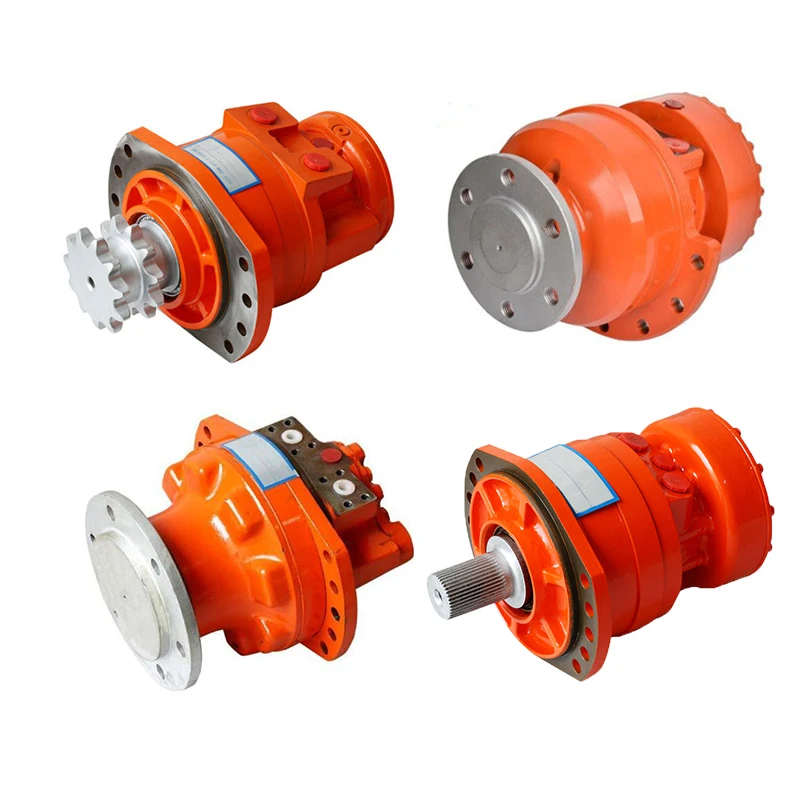
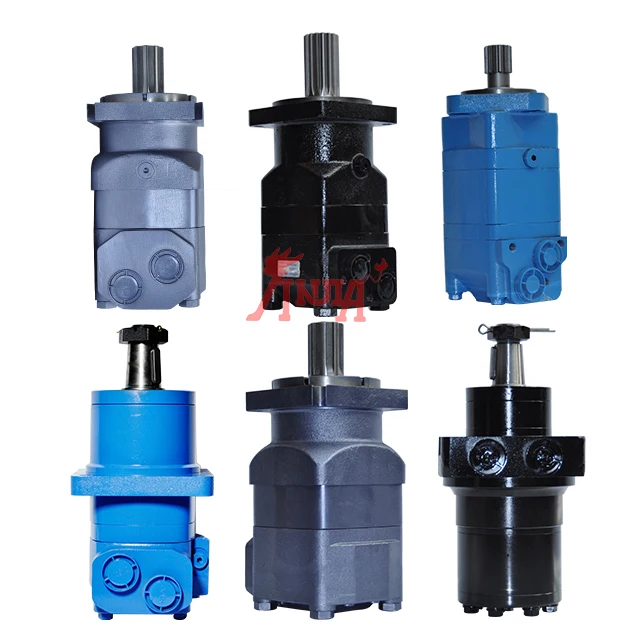
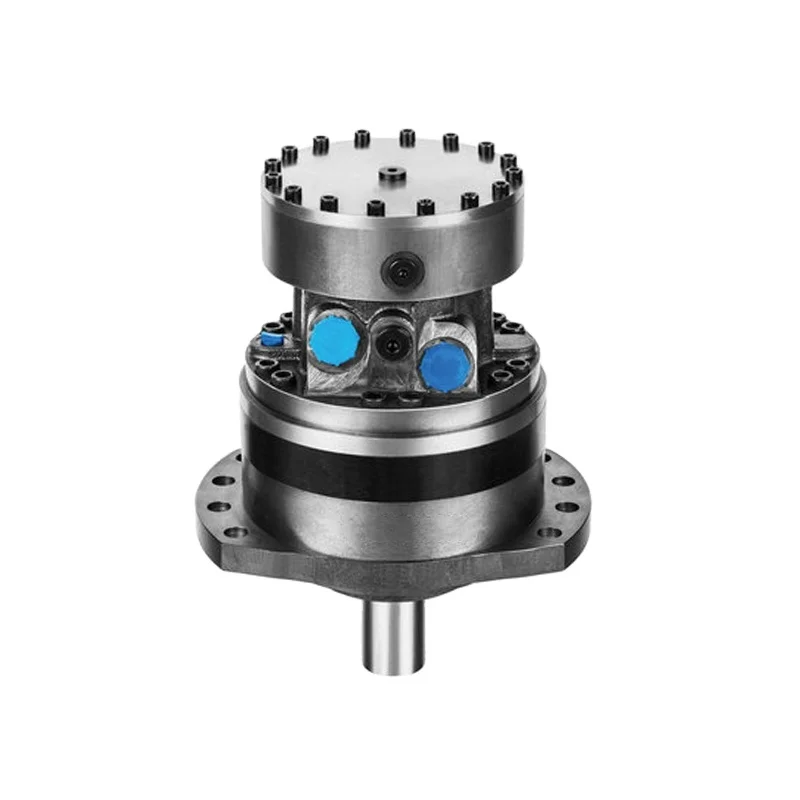
Everything is centered on the customer,the urgent customer is anxious.We are a direct manufacturer of hydraulic components with 17 + years of production experience! At the same price, our hydraulic motor has a newer structure, more solid materials, faster delivery,and always a pre-production sample before mass production.
 EN
EN