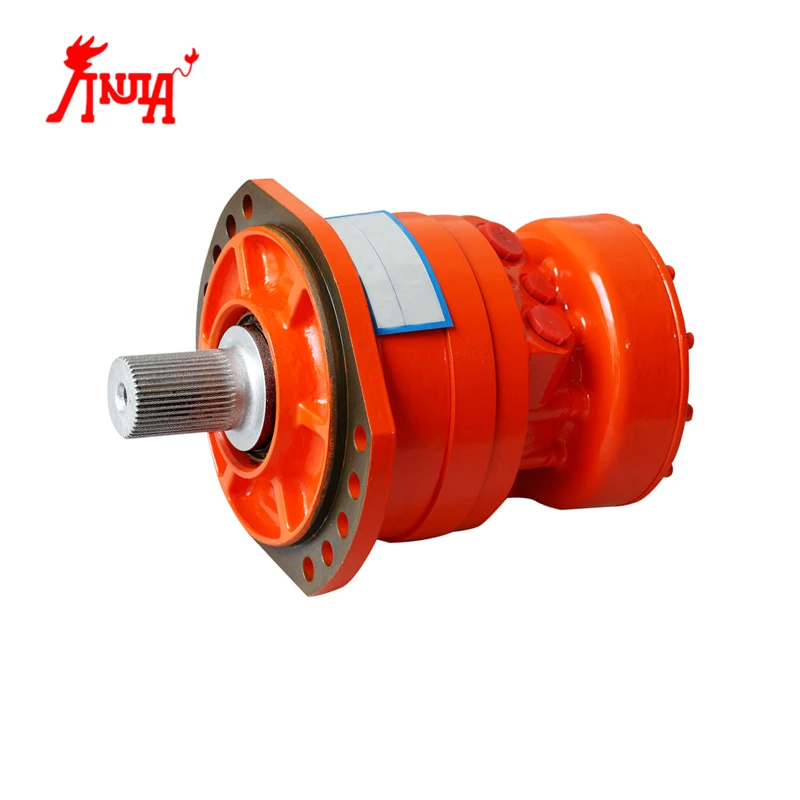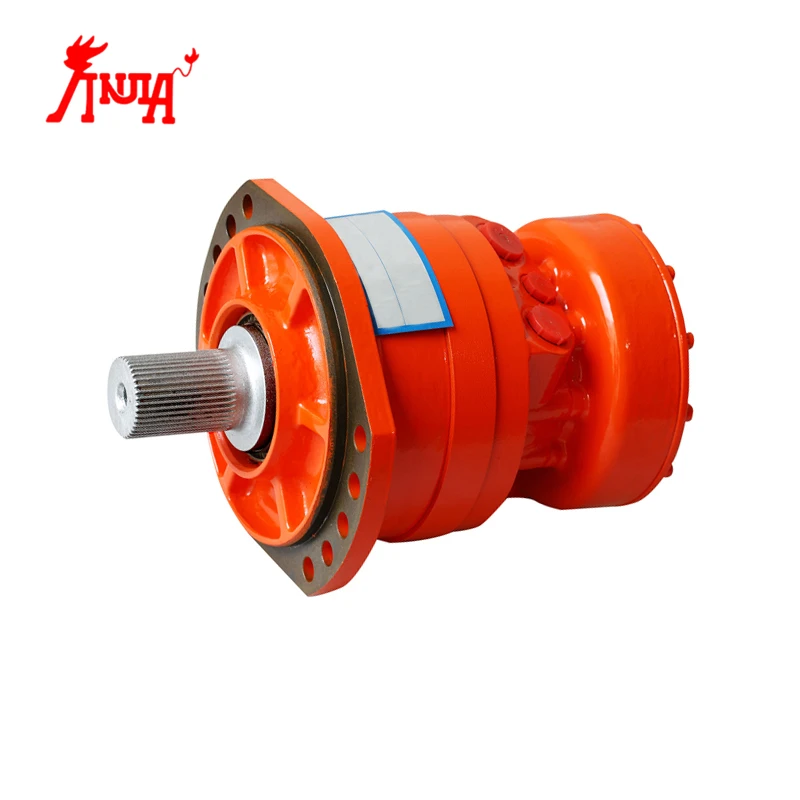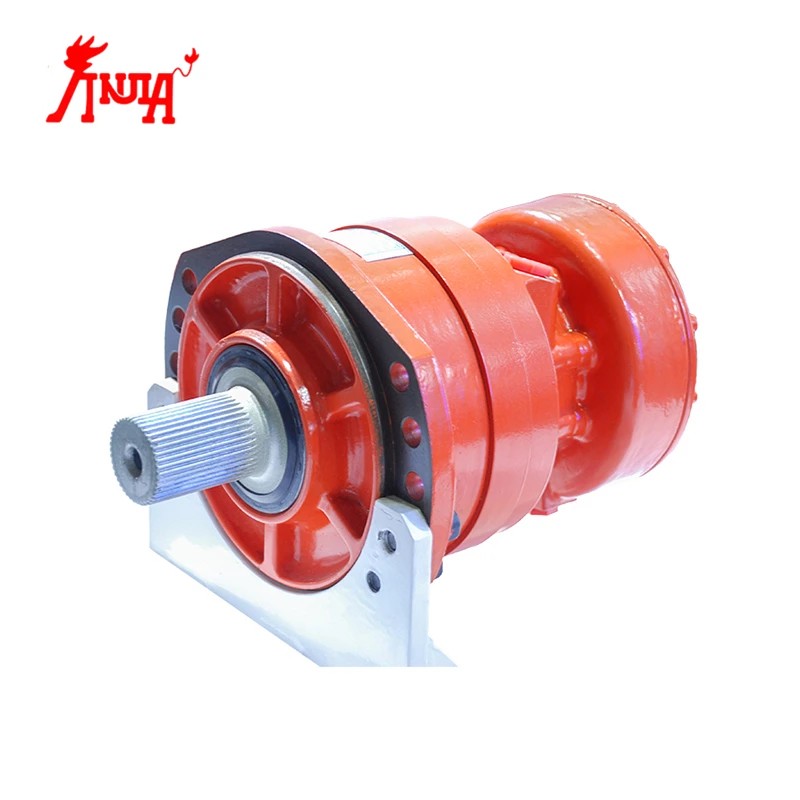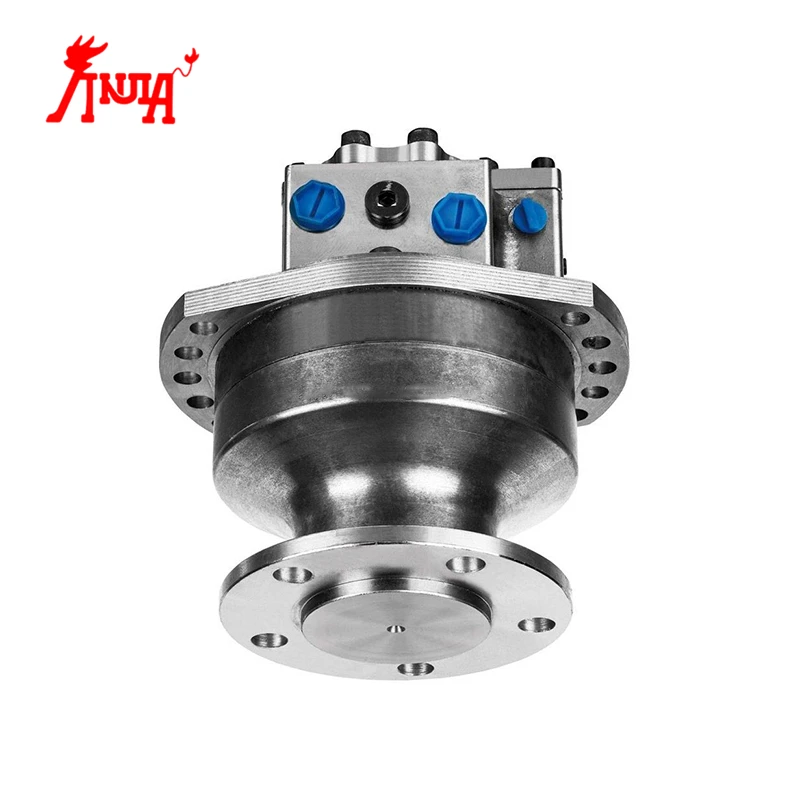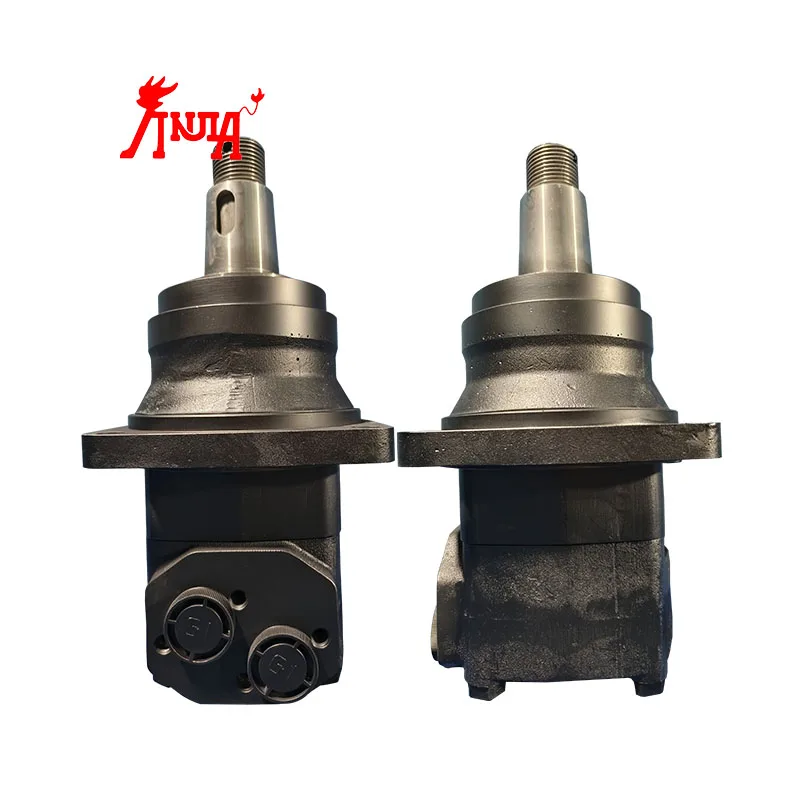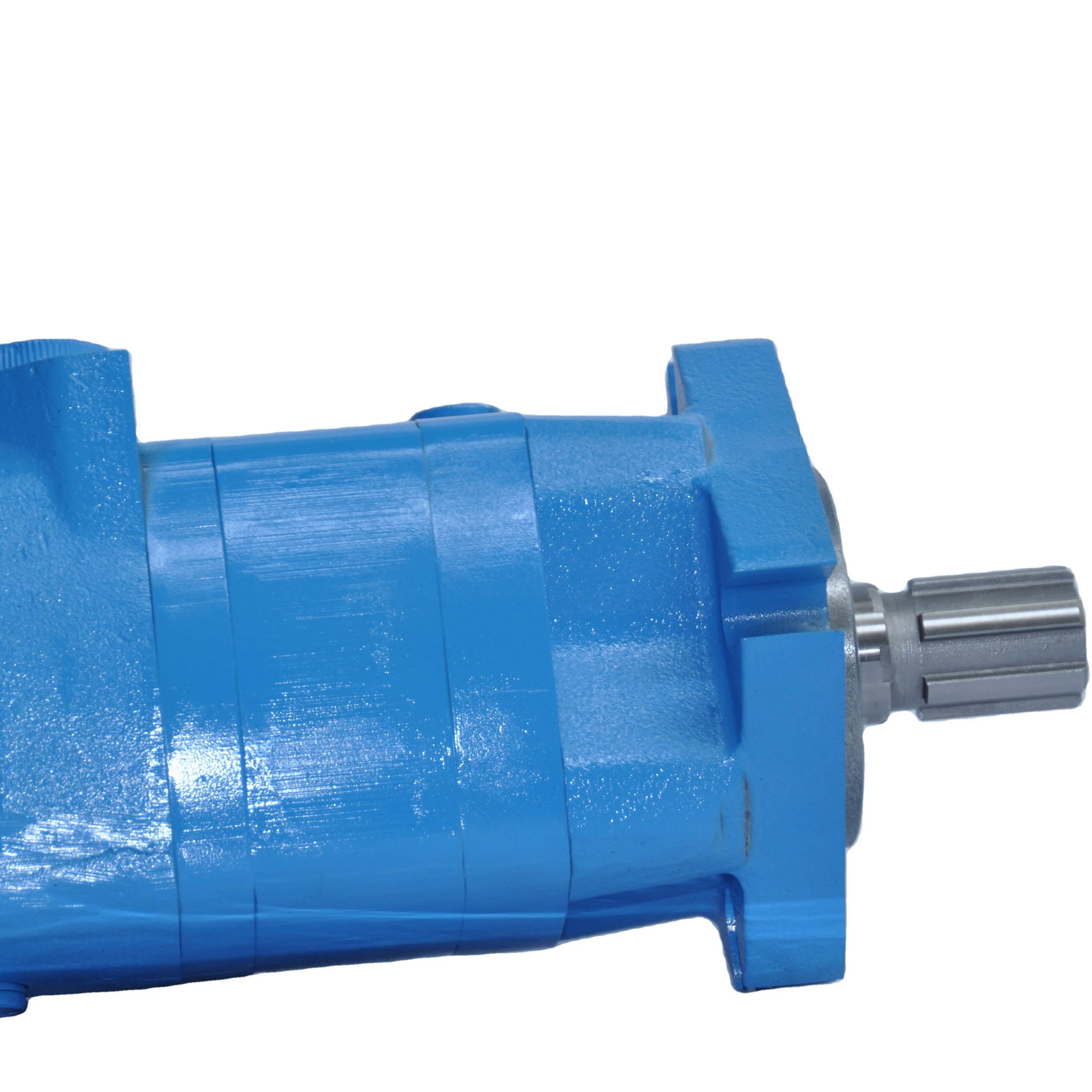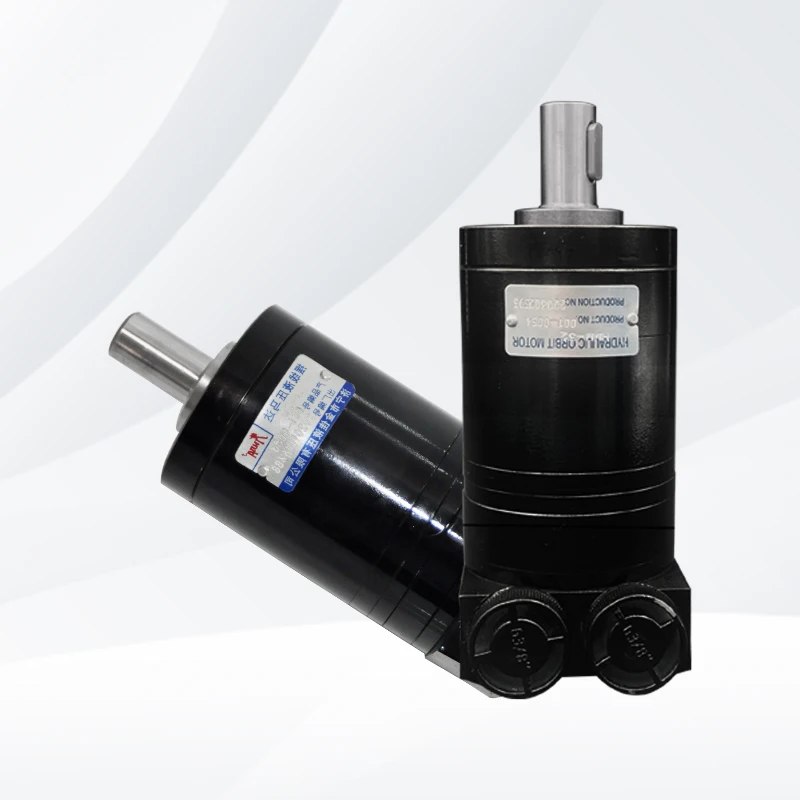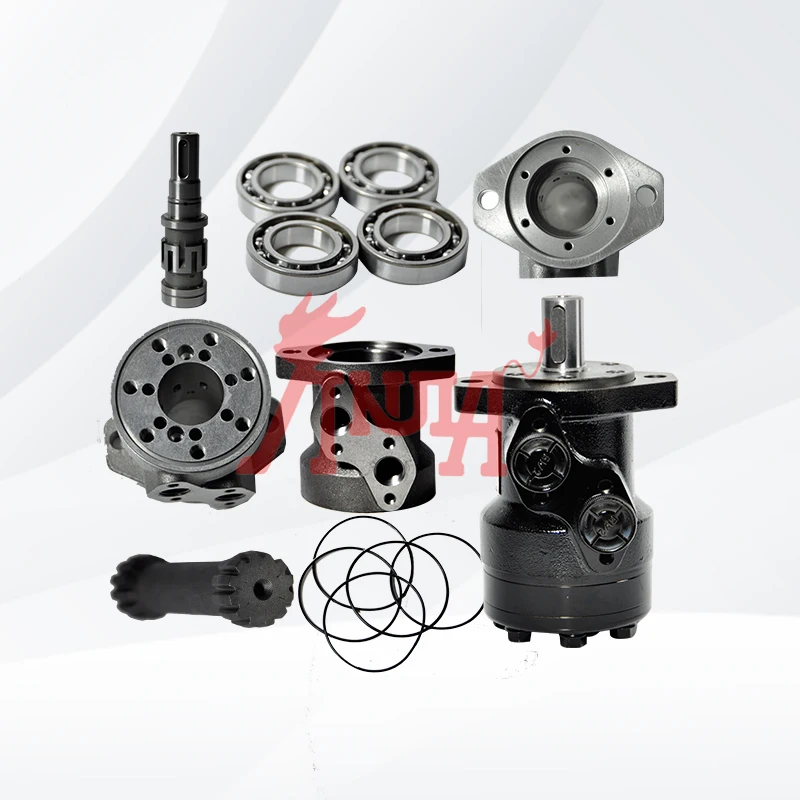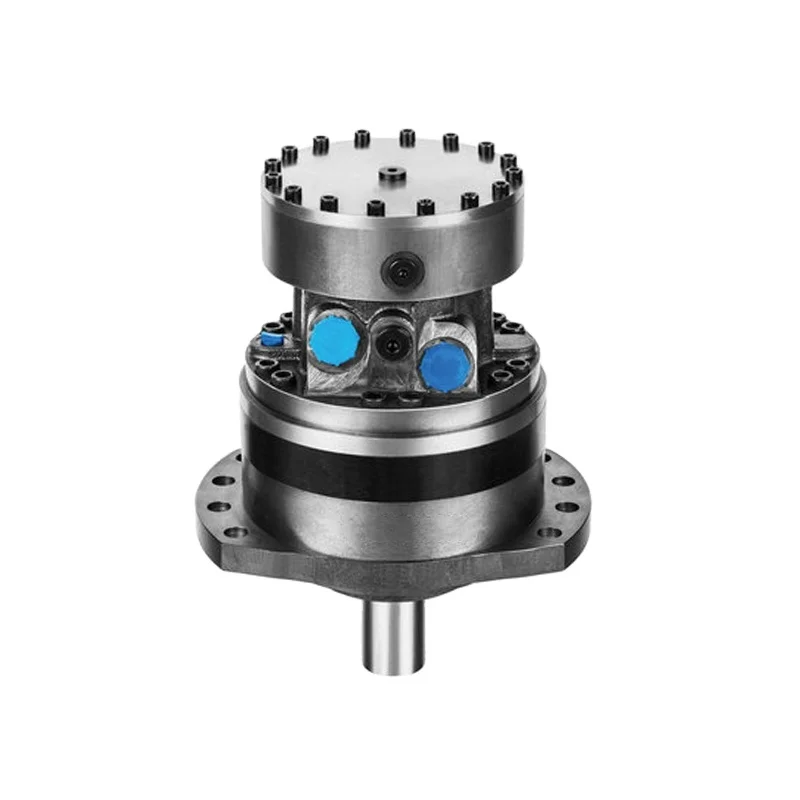
Hydraulic motors are superb gizmos that convert hydraulic pressure into kinetic energy. They operate on what’s called pressurized liquid (often oil) that, like liquid, gives way to movement. Control system is very important as it controls the quantity of liquid supplied to the motor. This regulation is essential because it not only controls the speed of the rotation of the motor but also the direction of its motion.
The most common and elementary type of control system is an open-loop control system. These motors work by controlling liquid flow to the motor using a directional valve. These systems are typically then used in scenarios where fine control doesn’t matter much. For instance, an open-loop system works perfectly if the machine needs to move only in a simple manner.
Closed-loop control systems, on the other hand, are more complex and are much more precise. This type of system has a feedback mechanism that measures how fast the motor is going. Based on this information, the system can adjust the speed by changing how much of the liquid is sent to the motor. This type of system is typically used in situations where the speed and direction of the motor must be controlled as precisely as possible. For example, in cases that require high precision like robots and on advanced assembly lines. Semi-closed loop control systems are also available. These systems provide a compromise between efficiency and simplicity. They allow the same low-cost and flexibility that open-loop systems do but provide some of the accuracy that closed-loop systems do. This makes them ideal for situations where some level of accuracy is necessary. Hydraulic motors can easily be kept efficient by ensuring that all parts of the control system are in good working order. One way to do this is by checking and properly maintaining the individual parts, such as a directional valve and pressure relief valve. Just like we have to take care of our toys and tools to keep them functioning, hydraulic systems also need maintenance. In addition to this, you should always make sure to use the correct hydraulic fluid that is recommended for the motor. Different fluids have different qualities that can affect performance. Some are thicker and can move too slow, some are too thin and can move too fast.
Another key consideration to make is how loaded the motor is and in what kind of conditions it operates — motors that have to move extremely heavy loads can be equipped with additional components to enhance their performance. In some cases, they may need extra hardware, such as a heat exchanger to maintain their temperature or a filter to clean their working fluids. This ensures that the motor runs effectively and operates smoothly.
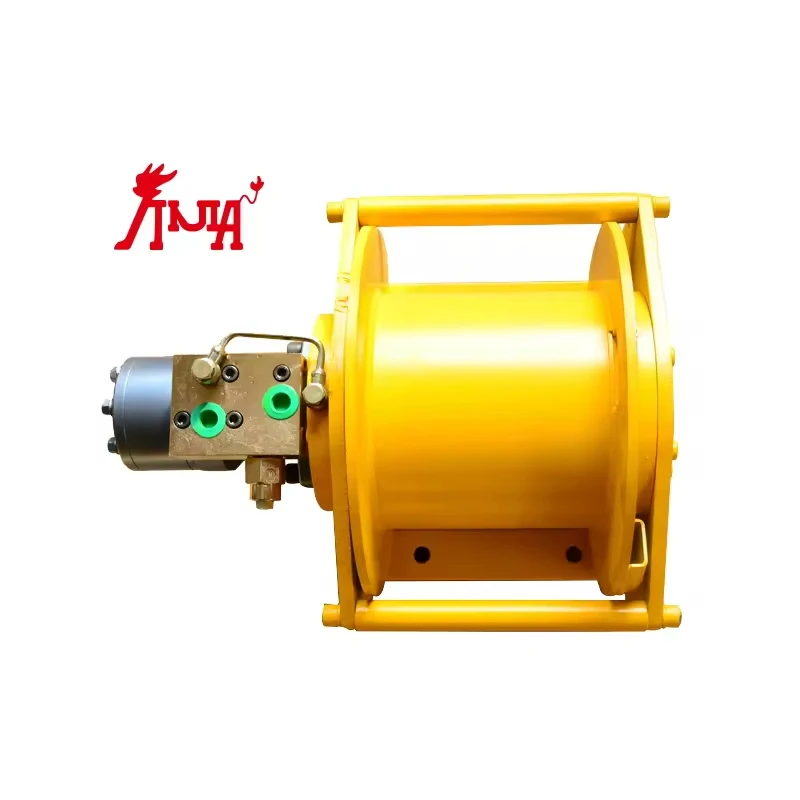
Hydraulic motors are a critical means of powering assembly lines and robotic machinery in the manufacturing sector. Innovations like these assist in enabling precise control of machines' associated locomotion, thereby advancing productivity. This means more products can be produced in less time, and results in less likelihood of errors and accidents occurring on site.
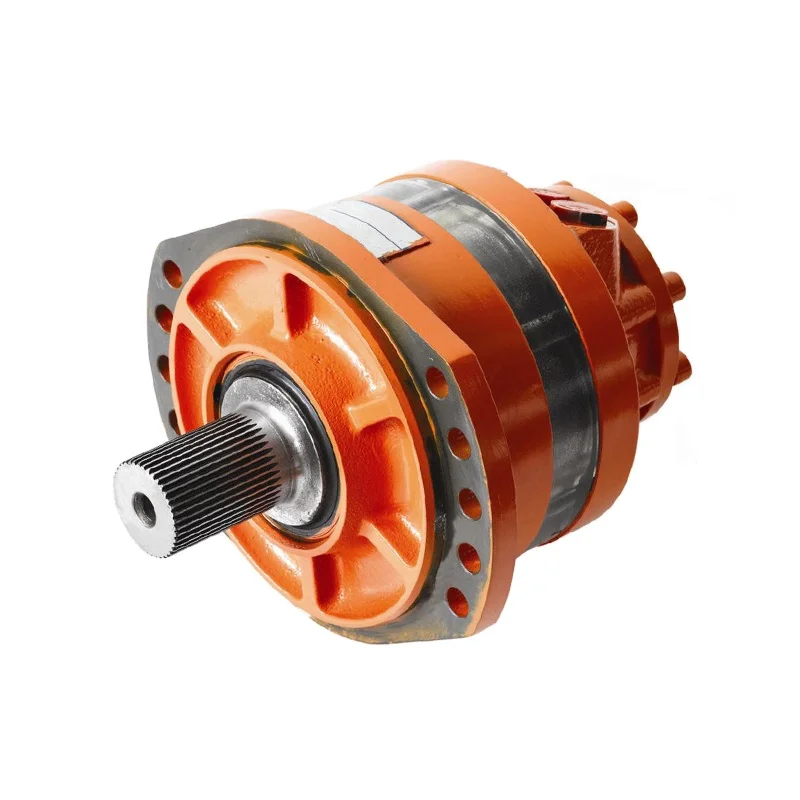
Regular maintenance and inspection of the hydraulic motor system is important to overcome these challenges. This may involve inspecting and replacing components as they wear out, checking fluid levels and temperatures, and ensuring the systems are calibrated appropriately. Science / Just Like We Need to Check Our Bike Tire and Oil to Keep Our Bikes Running Well, Hydraulic Systems Need Checking Regularly Too!
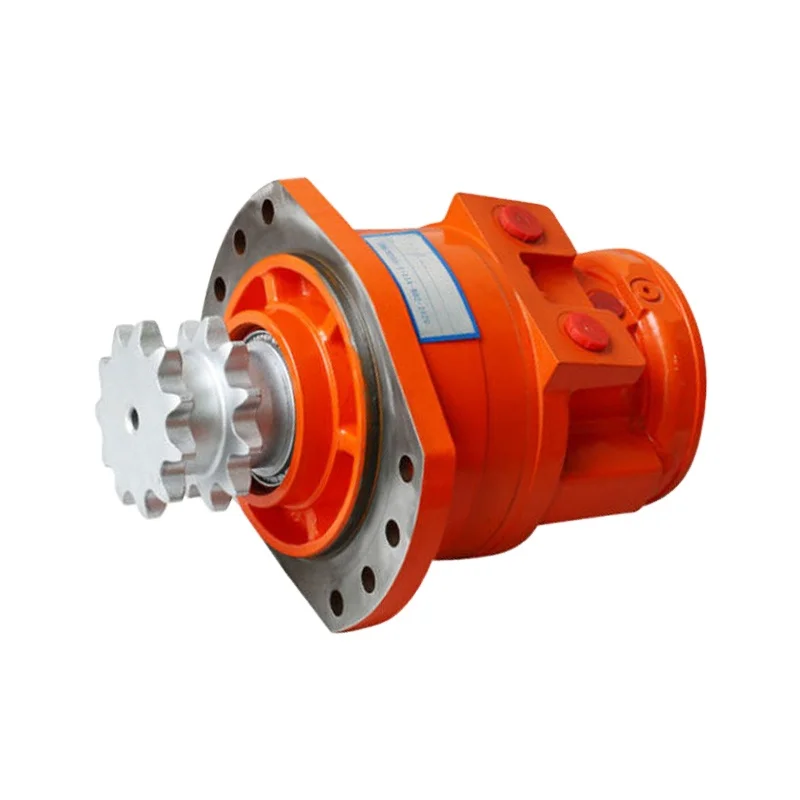
Yet another interesting development is the electric motor powered hydraulic systems. Here are some examples of how to turn hydraulic motors into electric motors that can be more efficient, quieter to run and less maintenance-intensive. They can also be seamlessly integrated into computerized control systems, boosting their capability even further.
It has advanced processing equipment such as imported CNC processing centers, CNc molding grindingmachines, CNC lathes, (ABB) intelligent robots.our product Equipped with a variety of advanced features all designed to ensure that your hydraulic system works smoothly and efficiently.
High-quality raw materials are a solid foundation for high-quality products. Featuring a single lock design is a reliable and easy-to-use component that can be manually operated making it an ideal option for those who need precise control over their hydraulic systems. The JinJia valve body is made of high-quality cast iron which ensures it is both durable and long-lasting.
Everything is centered on the customer,the urgent customer is anxious.We are a direct manufacturer of hydraulic components with 17 + years of production experience! At the same price, our hydraulic motor has a newer structure, more solid materials, faster delivery,and always a pre-production sample before mass production.
The combination of first-class equipment with the unique manufacturing process has created super-class products.One of the defining features is its single lock design which ensures that the valve remains in the correct position even during periods of high vibration or shock. The valve's simple yet rugged design means that it is easy to install and maintain making it both cost-effective and efficient.
 EN
EN