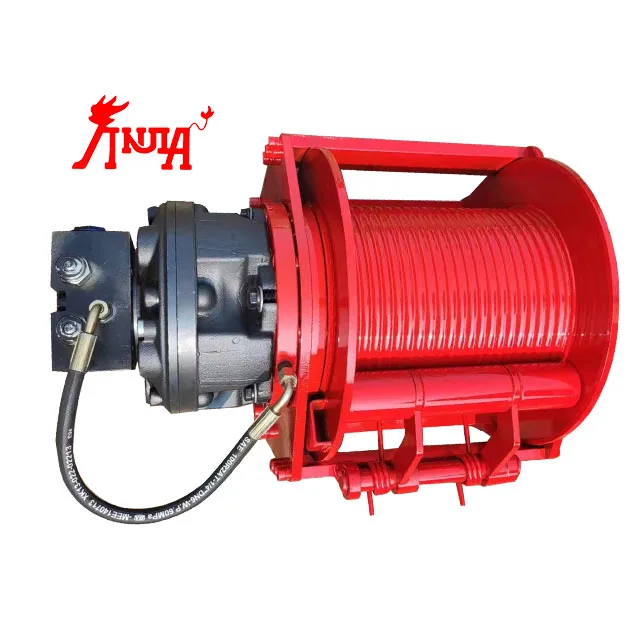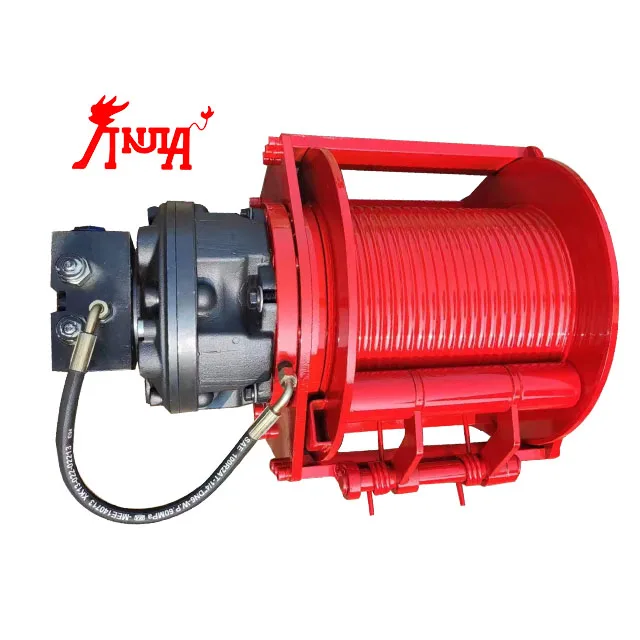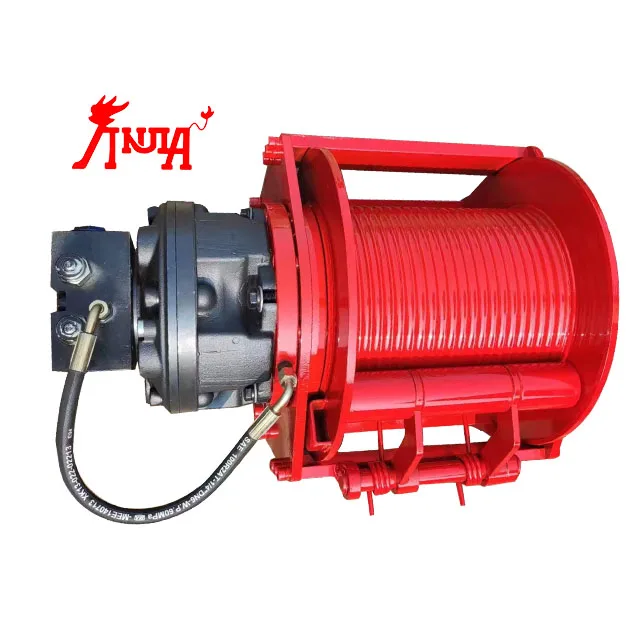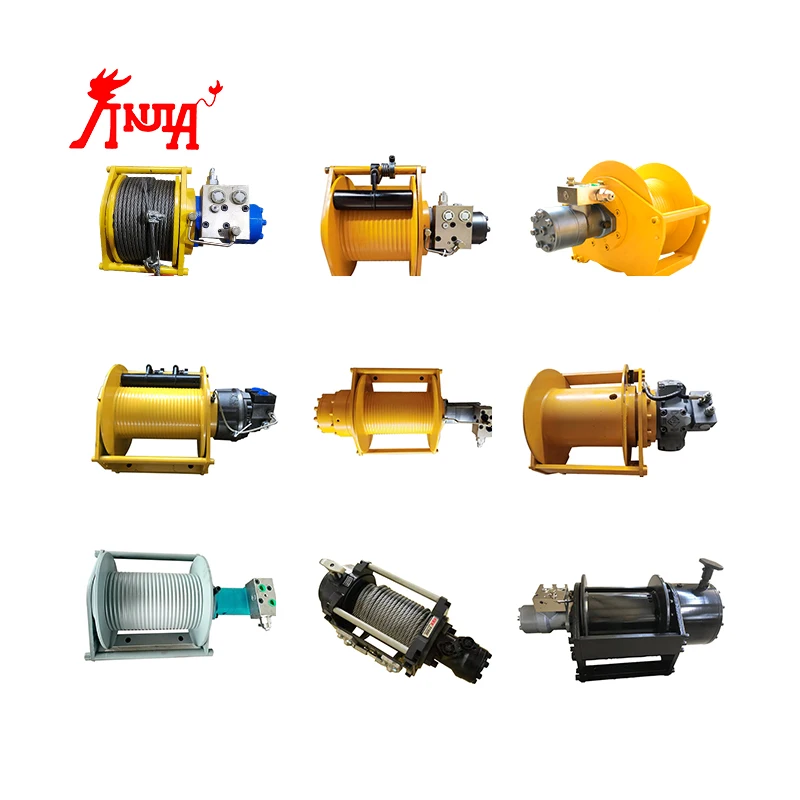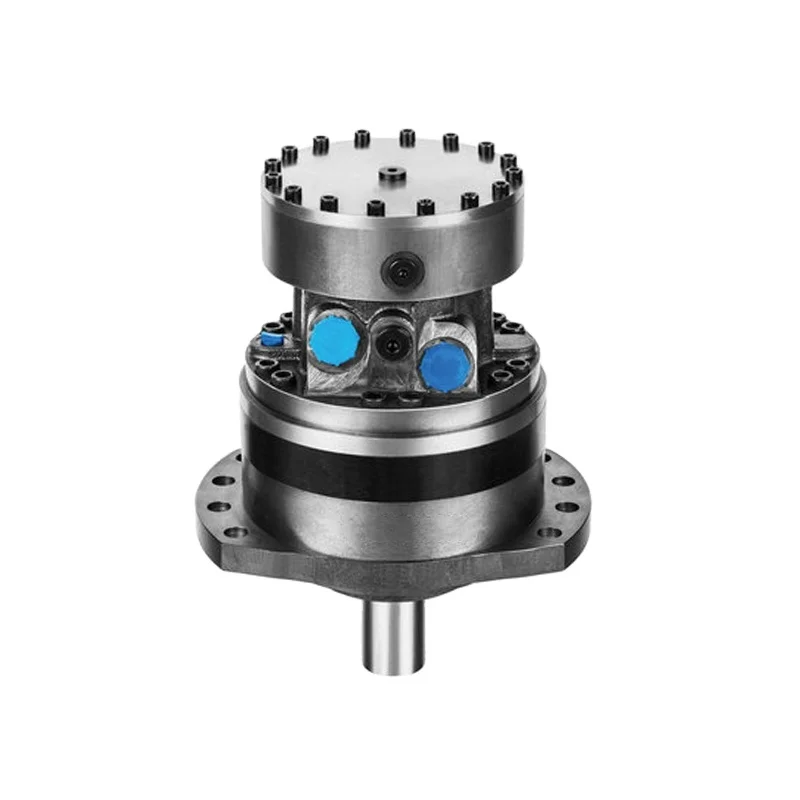
Hydraulic pressure relief valves are crucial components used in liquid-powered machinery, related to hydraulic systems. These valves regulate the pressure of liquids in a hydraulic system. Hydraulic systems use fluids in special pipes to push them around. As these liquids flow, they exert pressure. This pressure is what makes the machine do work, like lift heavy objects or move different parts of the equipment.
Hydraulic pressure relief valves are important components of keeping the system safe. They are created to release excess pressure that builds up within the system. If it gets too high, though, it can lead to catastrophic failure—like a busted machine or even an accident. For this design, the valve opens when the pressure hits a certain number. When this happens some of the flud flows out of the valve which reduces the pressure and keeps the system going.
Without these hydraulic pressure reducing valves, those few machines would be easily damaged. The opposite happens when there is too much pressure in the system, causing hoses to burst, pumps to break down and other components to fail. Such damage often results in expensive repairs, and potentially, downtime, where the machine has no purpose.
Hydraulic pressure relief valves also play a role in ensuring people are safe and in preventing damage to the machine. If the pressure within a hydraulic system is too high, it could result in explosions or other dangerous scenarios. The relief valve is critical because it assists with the pressure control and prevents dangerous conditions from occurring.
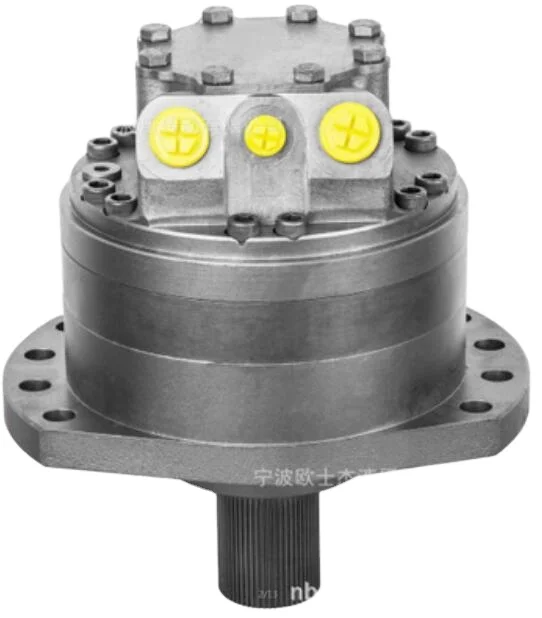
There are some considerations that you should make when choosing a valve. Beccione the type of fluid you will be using, how much pressure can you operate in this system and the size of the valve itself. It is necessary not only that the type of valve is compatible with the hydraulic system but also that all of its components are compatible with each other to avoid problems.
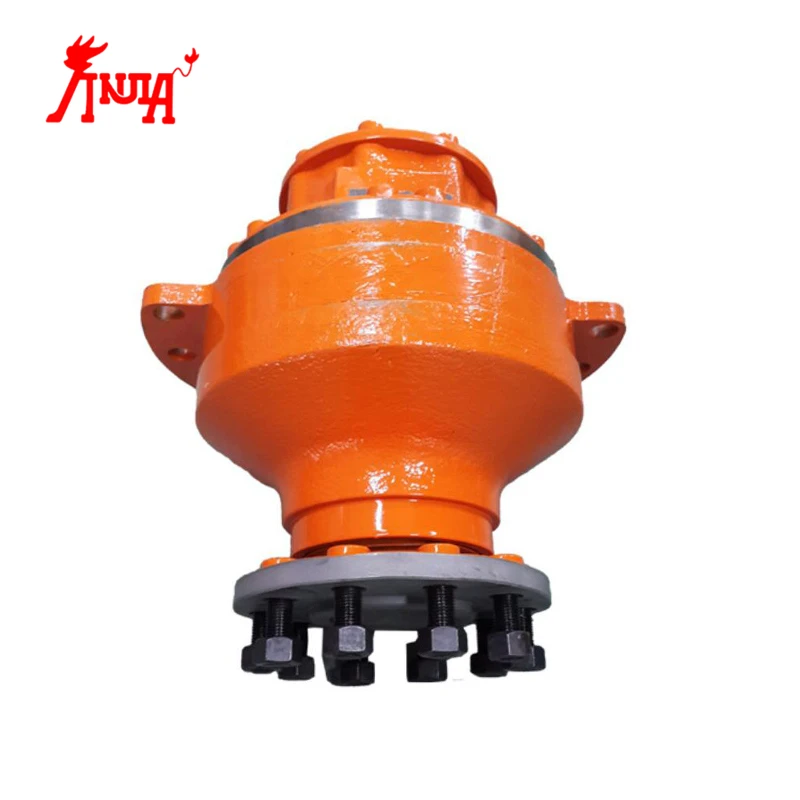
Occasionally, hydraulic pressure relief valves may have problems that influence their performance. Other common issues include leaks, the valve sticking (in the open or closed position), or having incorrect pressure levels. If you suspect that your hydraulic system is not functioning as it should, you’ll want to troubleshoot and find a solution as soon as possible, so it doesn’t become a bigger issue.
The answer would be a leaking valve! This can occur if a seal is damaged or if dirt is obstructing the valve. Another issue that can happen is sticking, where the valve can be stuck open or stuck closed. This can occur when dirt or other debris gets stuck in the valve, keeping it from moving properly.
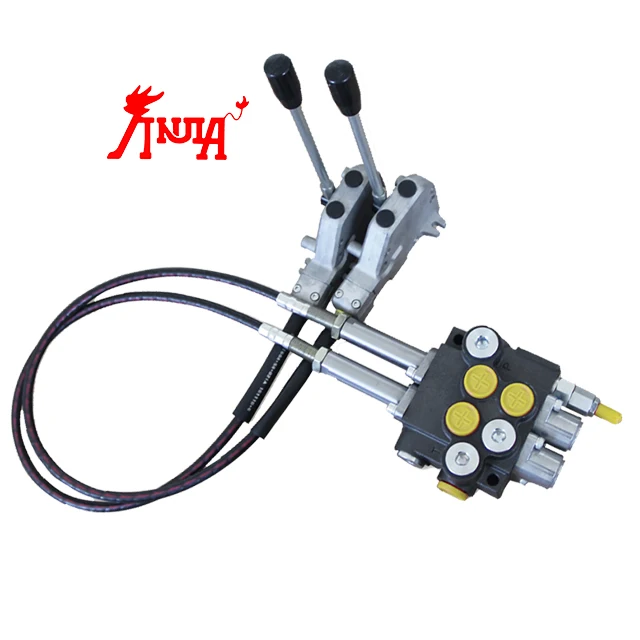
The combination of first-class equipment with the unique manufacturing process has created super-class products.One of the defining features is its single lock design which ensures that the valve remains in the correct position even during periods of high vibration or shock. The valve's simple yet rugged design means that it is easy to install and maintain making it both cost-effective and efficient.
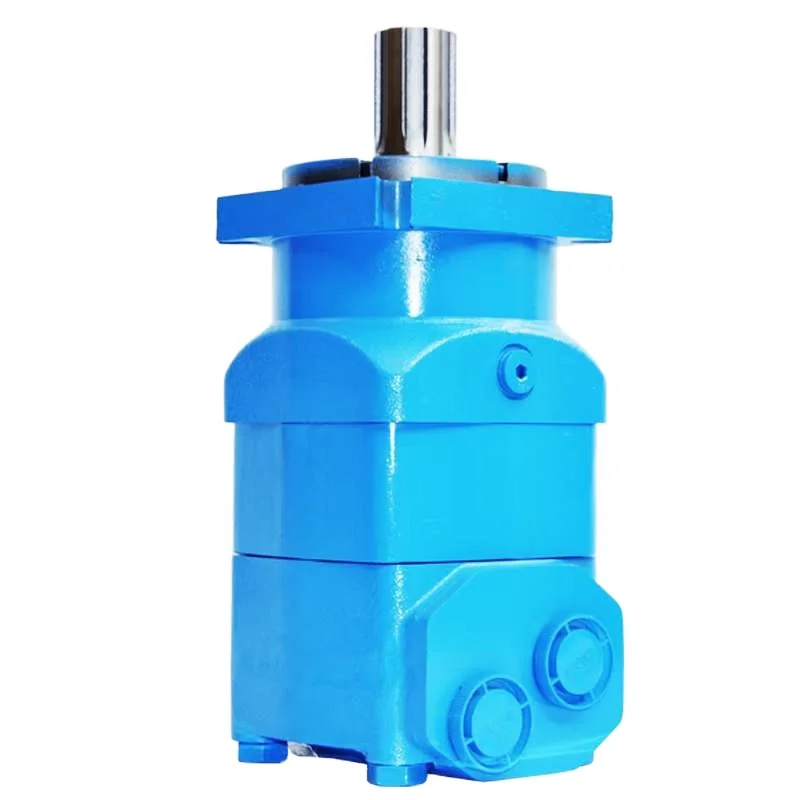
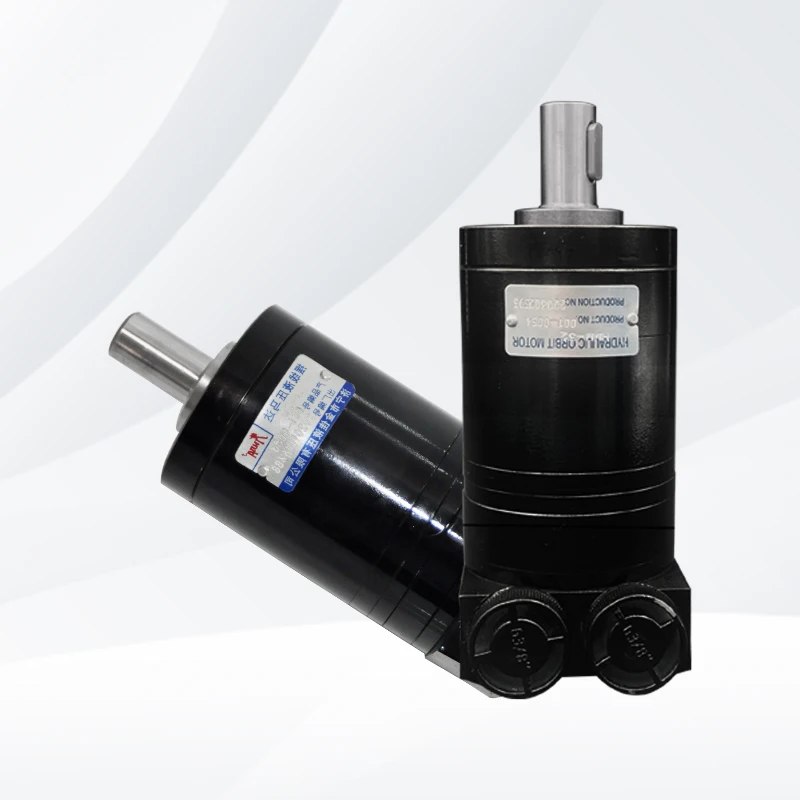
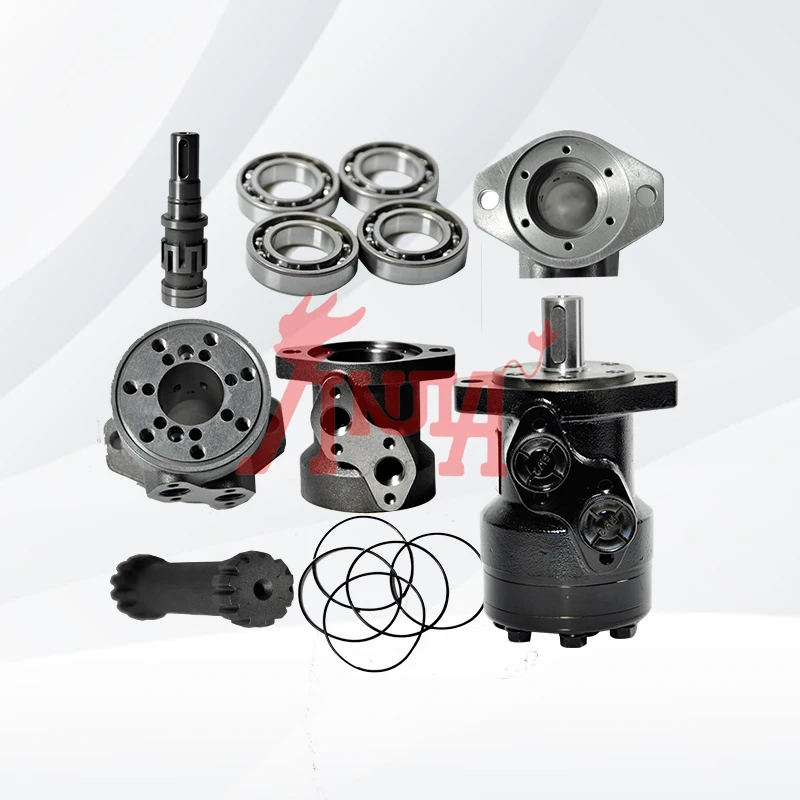
Everything is centered on the customer,the urgent customer is anxious.We are a direct manufacturer of hydraulic components with 17 + years of production experience! At the same price, our hydraulic motor has a newer structure, more solid materials, faster delivery,and always a pre-production sample before mass production.
High-quality raw materials are a solid foundation for high-quality products. Featuring a single lock design is a reliable and easy-to-use component that can be manually operated making it an ideal option for those who need precise control over their hydraulic systems. The JinJia valve body is made of high-quality cast iron which ensures it is both durable and long-lasting.
It has advanced processing equipment such as imported CNC processing centers, CNc molding grindingmachines, CNC lathes, (ABB) intelligent robots.our product Equipped with a variety of advanced features all designed to ensure that your hydraulic system works smoothly and efficiently.
 EN
EN