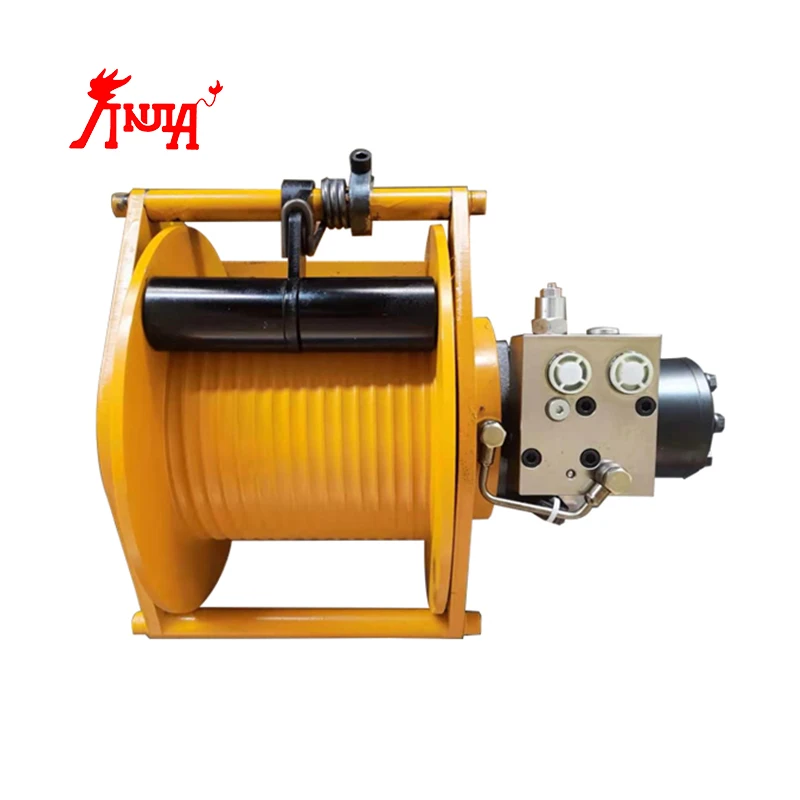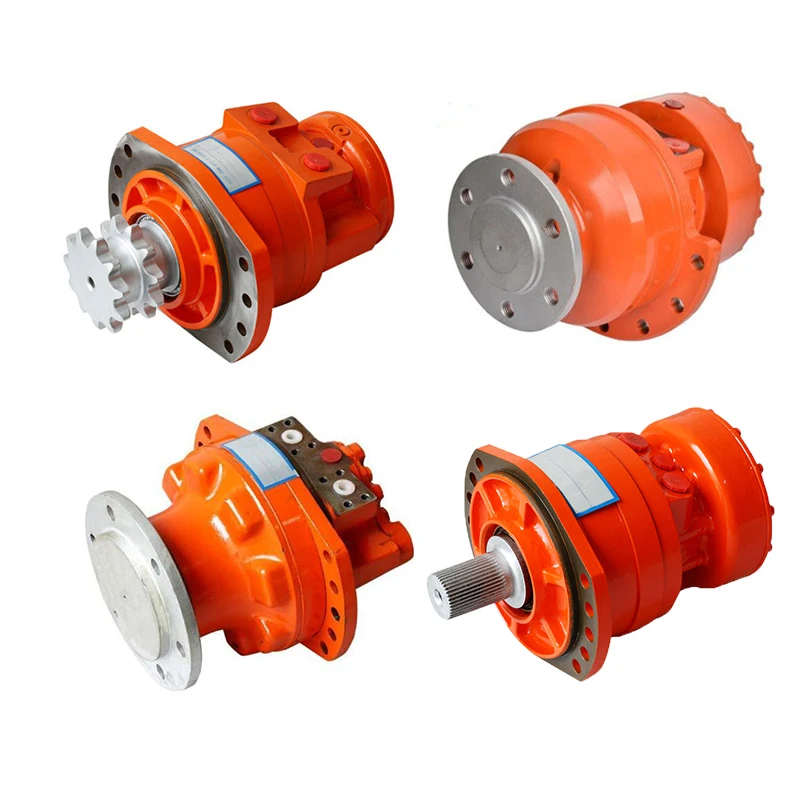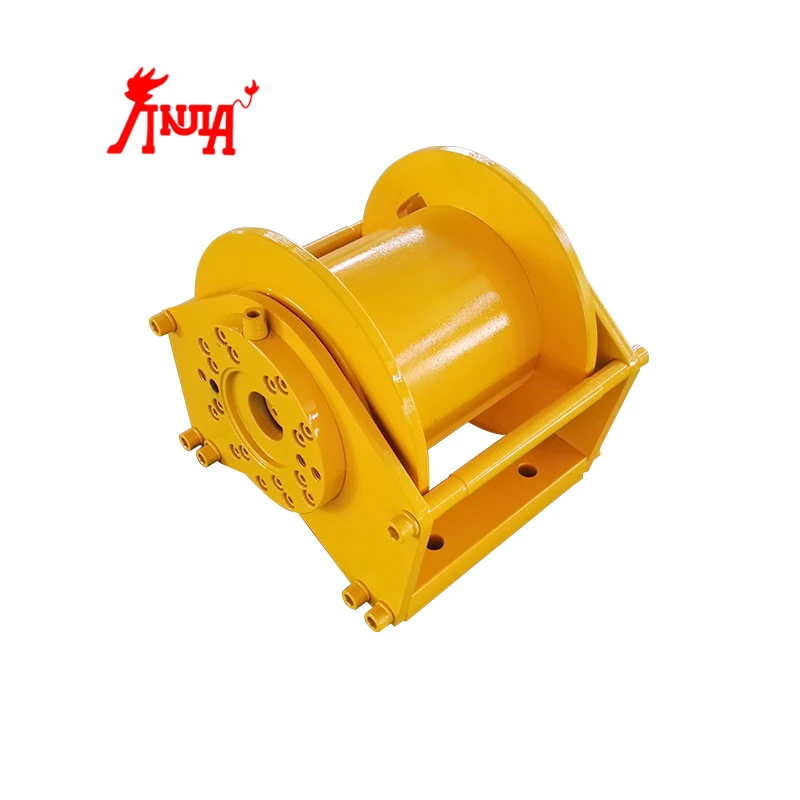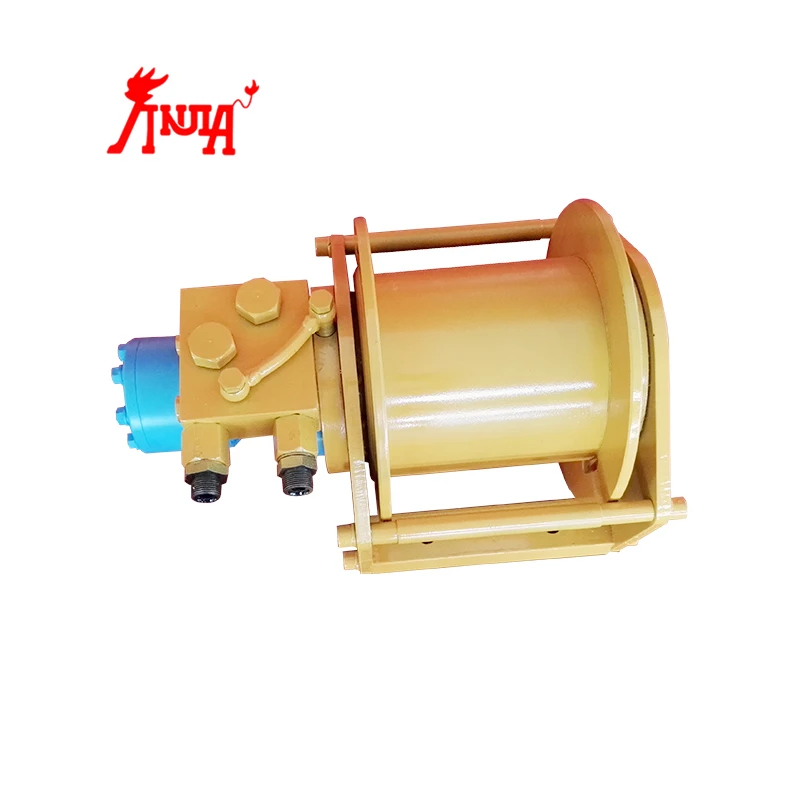
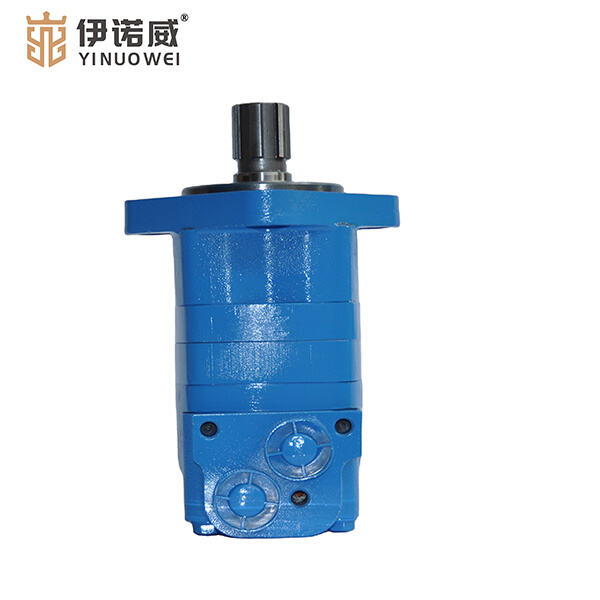
Get ready forpart of a serieswithsome fun trivia related to torque in hydraulic motors! Torque is a special force that has the ability to rotate things around in circles. Its important for how hydraulic motors operate. To put it simply, torque is a turning force used to rotate various objects, including wheels or gears. Now let's take a deeper look at how torque impacts hydraulic motors, and why it is important.
Hydraulic motors generally use torque to turn and spin the motor. This means it has a lot to do with how well and how fast the motor can perform. In high torque, that means the motor has good turning ability, even very heavy load can be driven. If you drive a large truck, for instance, your motor requires a strong torque to lift a heavy load. If the torque is too low, the motor will be slow and weak, and as a result it may be unable to perform its function. It is like, you try to carry a big backpack, if you have the sufficient strength (torque), then lifting it is a very easy task, if you don't have that strength (torque) then doing so becomes too tedious!
Efficiency is just a fancy word that tells us how well a motor utilizes power. Now, torque is a key part of all of this. If the torque is too low, it means that the motor has to work harder to provide the same output, which reduces its efficiency. It’s like you are trying to run to something but feel tired—the more you are tired the harder it is to be fast. However, if the motor is high torque, it performs great and consumes fewer energy to perform the same work. This is crucial, as consuming less energy benefits the pocket and the environment!
Torque is extremely important to ensure the integrity and efficiency of motor operation. Torque is driven by two things: force and distance; and to figure out how much torque we have, we have to know these two things: Force, which is a measure of weight, is typically measured in pounds or kilograms. Let's say you have a box that weights 10 pounds. That is the force. Distance means how far you are from the center of the motor to the point where the force is applied. This is generally given in feet or meters. An example would be if you push on the box 2 feet away from the center of the motor, that’s the distance in which we need.
This formula teaches us how much load can be managed by a motor without stopping or stalling. It also goes a long way in helping us identify the most appropriate torque level for the work we need to get done. That can be really useful in a variety of contexts, such as when we need some sort of motor to be able to lift an object or for a machine to operate smoothly.
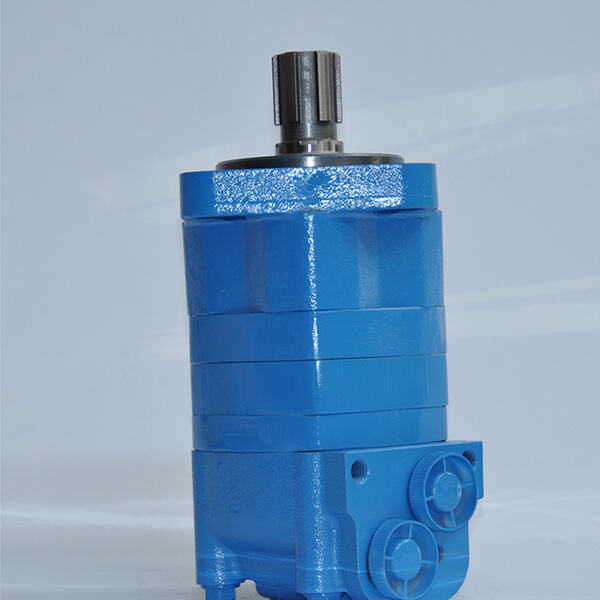
It is possible to improve the performance of hydraulic motors and one of the ways is to fortify their torque. We can increase the pressure in the hydraulic system. If we increase the pressure it results in increased torque which means the motor can perform more work. Increase the width of the motor’s shaft or gears Another method for increasing torque By doing that, we can control the motor to be able to generate more torque, in other words - the strength to rotate things.
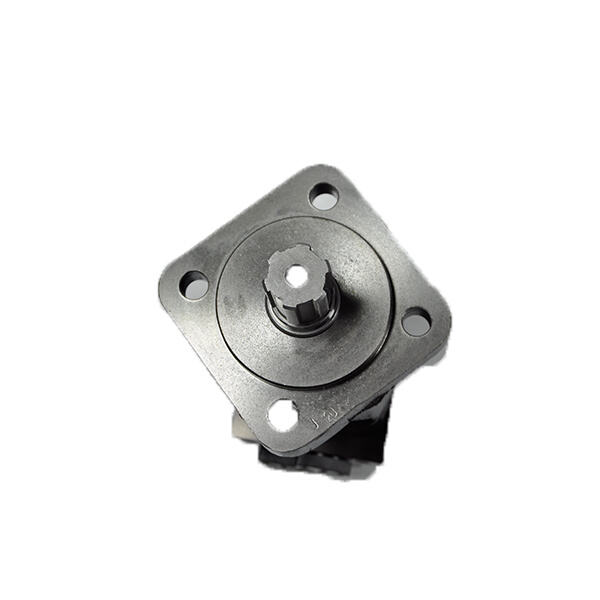
If you have a hydraulic motor that displaces more fluid per turn (higher displacement capacity), you can use that to significantly increase torque as well. More displacement means that the motor can move more fluid through the system, and thus generate more torque, since it has more power to push and pull. That is very much like how a bigger water pipe can carry more water than a smaller one.
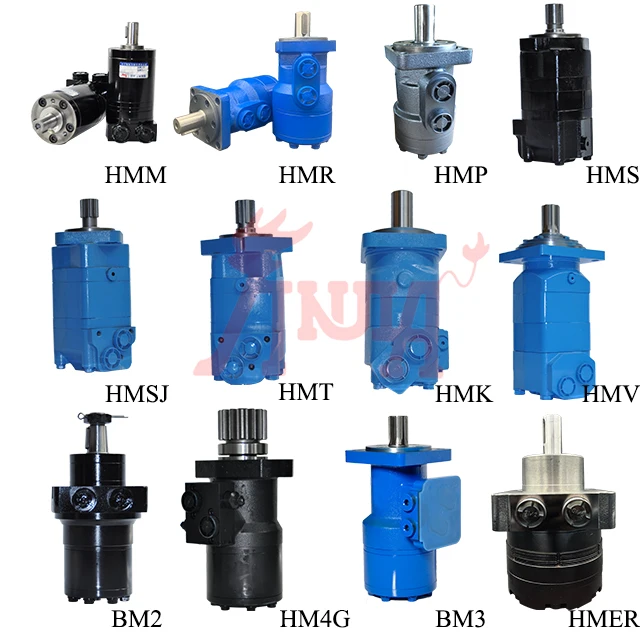
Everything is centered on the customer,the urgent customer is anxious.We are a direct manufacturer of hydraulic components with 17 + years of production experience! At the same price, our hydraulic motor has a newer structure, more solid materials, faster delivery,and always a pre-production sample before mass production.
It has advanced processing equipment such as imported CNC processing centers, CNc molding grindingmachines, CNC lathes, (ABB) intelligent robots.our product Equipped with a variety of advanced features all designed to ensure that your hydraulic system works smoothly and efficiently.
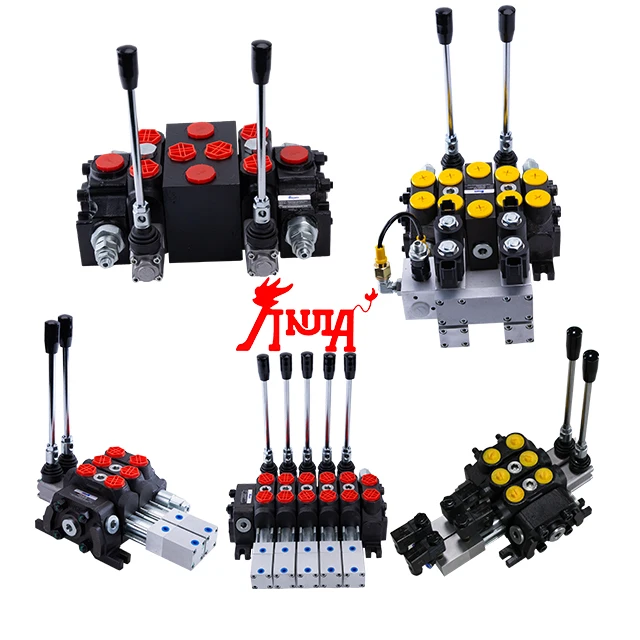
High-quality raw materials are a solid foundation for high-quality products. Featuring a single lock design is a reliable and easy-to-use component that can be manually operated making it an ideal option for those who need precise control over their hydraulic systems. The JinJia valve body is made of high-quality cast iron which ensures it is both durable and long-lasting.
The combination of first-class equipment with the unique manufacturing process has created super-class products.One of the defining features is its single lock design which ensures that the valve remains in the correct position even during periods of high vibration or shock. The valve's simple yet rugged design means that it is easy to install and maintain making it both cost-effective and efficient.
 EN
EN