 EN
EN
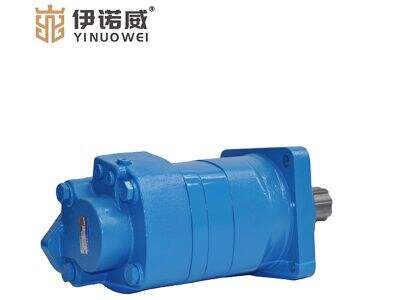
Hydraulic winches are strong machines used to lift and pull heavy loads. They operate on fluid pressure, rather than electricity or manual muscle. This makes them very sturdy, and unlike other workers – like construction crews or factories, or those on boats. Enterprises such as JinJia are producing hydraulic winches that are highly regarded for their reliability and efficiency. If you’re lifting heavy materials, hydraulic winch can do the trick regardless of weather conditions or the difficulty level of your work. That’s what let’s take a closer look into how these winches are operating great in challenging situations, some common issues that might occur to them and the way you can save those issues.
How A Hydraulic Winch Means No More Fail at Extreme Working Conditions?
Hydraulic winch models are designed to endure harsh conditions. They use hydraulic fluid, a special liquid that helps generate a lot of force. This allows them to pull or lift heavy objects without disintegrating. Think of a big ship having to heave an anchor in stormy weather. You can do so safely and efficiently with a hydraulic winch for sale. It’s made of durable materials and designs to keep it safe from things like rain, snow and dirt. For instance, winches by JinJia often have custom seals to keep water and mud out. That’s what lets them continue operating when other machines might crash.
Another positive side for hydraulic winches is that the tension force can be controlled. They can haul gently or speedily, as the situation demands. It’s a great feature in those times where you need to be cautious such as when moving fragile materials. In addition, hydraulic winches can operate continuously without overheating as an electric winch could. This means they can go longer without a break. This is especially important on things like construction sites or heavy machinery operations. It encourages workers to complete their jobs more productively and safely.
Hydraulic Winch Use Problems And Solutions
While hydraulic winches are powerful, they may encounter some issues. One common issue is leaks. Mechanically, the winch might be impaired midway if, on occasion, the hydraulic fluid leaks out. This occurs is the seals deteriorate or if there are things that damage the hoses. To avoid these leaks, checking the winch on a regular basis is essential. If you see any fluid on the ground, or areas that are wet, take a look at the seals and hoses. Regular maintenance is key. Firms like JinJia often supply guidelines that will allow you to take care of your small hydraulic winch so that these problems are not issues for you.
Another issue could be in the controls. If a winch freezes up or fails, it can be difficult to use. It can be annoying, especially in an emergency. To resolve, keep the control switches clean and ensure that no dirt or grime is obstructing them. If the controls still refuse to respond, examine the power supply and connections. It can make all the difference, with sometimes just a simple connection issue.
Finally, hydraulic winches don’t do as well in extreme cold or heat. The hydraulic fluid might gel in cold temperatures, immobilizing the winch. When it is hot, the fluid can become too thin, and that too can be problematic. To address this, you should select the appropriate hydraulic fluid for the temperature. JinJia products are generally intended to work well at a broader range of temperatures, even several hundred degrees Fahrenheit higher in the case of some glues than what is listed on their labels.
By being aware of these common problems and by learning how to deal with them, users are able to keep their hydraulic winches working hard in all manner of working environments. Many of these issues can be prevented through proper care and routine inspection to make work easier and safer.
How Hydraulic Winches Keep Pulling Power While Under Pressure?
The hydraulic winch is an incredible invention to help lift and pull heavy objects. They operate on a principle of fluids and pressure to generate powerful sucking force. In more demanding applications, when the weather proves to be really bad or when the load is just too heavy hydraulic winches from JinJia can still deliver. This is because they rely on hydraulic pressure to maintain a constant pull. Hydraulic winches are able to keep their strength even if they have a lot of tension power unlike other winches.
A hydraulic winch is one that uses fluid to create force, when it pulls out something heavy. The fluid flows through pipes and pushes against a piston in the winch. This plug now serves to draw the cable or rope, and gives it power. Because the winch is fluid-based, it can propel a variable load without losing power. For instance, if a winch needs to pull out a large rock from the muck of a hole, it can modulate its own force so that it will keep pulling instead of breaking or slowing down. This is very vital, especially in rugged terrains where other forms of winches may not operate.
Another reason that hydraulic winches from JinJia are effective in challenging conditions is because they were engineered to be rugged. They're crafted from durable materials to prevent rusting and water, dirt, or other damage. This is to say, the winch can still work even on a rainy or snowy day, with mud everywhere. The unique design also does an excellent job of protecting the parts contained within the winch, so it can last much longer and keep pulling without any issues.
Advantages of Hydraulic Winches in Industrial Applications
Hydraulic winches are very popular in factories, construction sites and other industrial locations as it provides several advantages. One of their greatest benefits comes from the ease and safety with which they can pull heavy loads. For the same line of work that requires lifting and moving heavy substances in industries, labourers can also use JinJia hydraulic winches. These winches can lift things like steel beams or heavy machinery with no accidents or injuries.
Hydraulic winches are also adaptable. They’re applicable in a variety of scenarios and settings. Whether you’re on a job site, in ship yard or the bottom of the sea, hydraulic winches will pull their weight. They are also easy to control, so workers can use them with little trouble. This is what makes them a desirable choice for both novice and professionals in industrial scenarios.
Hydraulic winches, on top of that, are highly efficient. They consume less power than other styles of winch, allowing them to operate longer without having to refuel or perform maintenance. This efficacy not only saves businesses time, it also saves money. Now With JinJia Hydraulic winches, businesses can have full confidence in recieving a good product that would improve their ability to work more efficiently.
Lastly, hydraulic winches can contribute to a safer working environment. Since these winches are able to take a beating and withstand relatively high tensions, workers don't need to place themselves in peril. They can avoid having to raise heavy objects with their hands by using the winch to do all of the tough lifting for them. It also minimises accident hazards and ultimately provides a safer and secure environment for all.
Getting the best from your hydraulic winch in harsh conditions
To get good service out of a hydraulic winch, particularly in harsh applications it is essential to look after the unit. Regular maintenance is very important. This incurs a fair amount of the labor involved as you must regularly check the winch, it's complex systems and be sure everything is operational. Workers should inspect for leaks in the hydraulic fluid, give cables a visual check to see if there’s any visible signs of wear and ensure all parts are clean and free from dirt. At JinJia we think it’s best to establish a consistent schedule for maintenance so that you can nip these kinds of problems in the bud.
One more method to ensure that the hydraulic winch works well is to select the appropriate hydraulic fluid. Others might need slightly different fluids to keep everything running smoothly. For instance, if the winch will be operated in extremely cold temperatures such as those found by snowplow vehicles, it may require a special fluid to maintain operating efficiency at low temps. The right fluid makes the winch usable and prevents it from breaking.
It is also necessary to provide workers with the proper training to operate hydraulic winch. Learning the base mechanics of using a winch effectively and safely is undeniably must-know knowledge. JinJia has training courses to teach worker the proper way to use a hydraulic winch. Workers should be able to read the load limits, and they should know how to operate the winch properly in different circumstances.
Finally, always mind your surroundings when you are operating the hydraulic winch. If not, it may be wise to wait for better conditions if the weather is really bad – e. g. very heavy rain or high wind. By being careful and using good judgment, the winch is kept safe as are those working with it. With the help of these tips, you would be able to make your JinJia hydraulic winch work more efficiently even if the environment is not so friendly.