 EN
EN

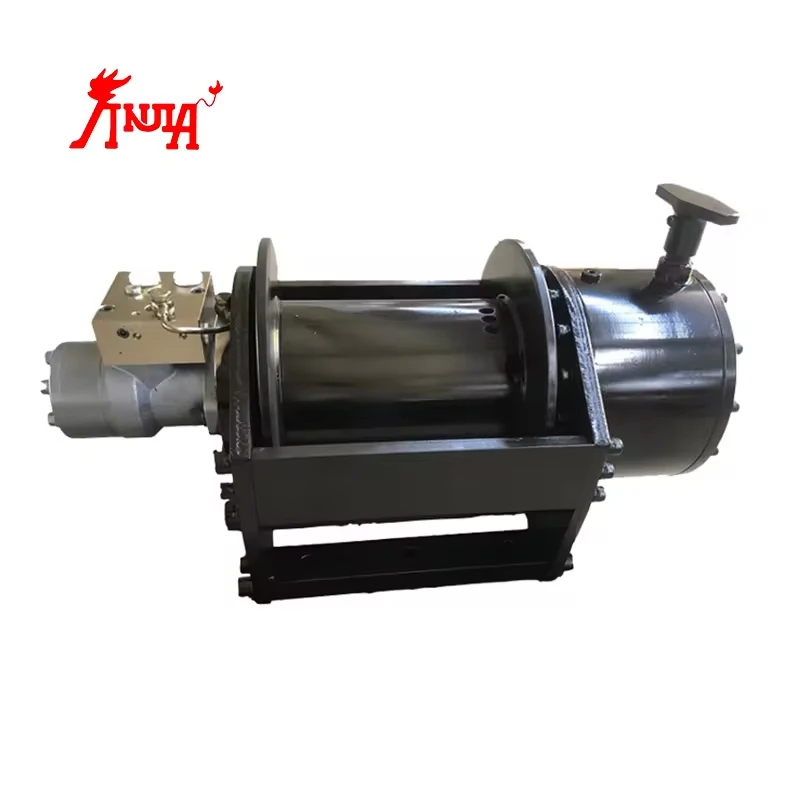
However, performance can sometimes decline with a hydraulic anchor winch. This can be maddening, especially if your hammock has strained under tension and you're counting on the winch to do its work. And at JinJia, we know the importance of maintaining your equipment. A winch can lose its power for many reasons. Being aware of these reasons can assist you with keeping your winch in better condition and preventing issues moving forward.
Common Hydraulic Fluid Issues That Reduce Windlass Performance
Hydraulic fluid problems are one of the most important reasons for the decrease of performance in hydraulic anchoring windlass. Hydraulic winches require special fluid for optimal performance. If the fluid is dirty or low, the winch won’t function the way it should. For one thing, if there is any dirt or old fluid in there, it could cause the winch to bind. This could mean it’s slow going raising or lowering the anchor. Another cause might be hydraulic system leaks. If the winch has a leak, it can’t build enough pressure for it to work properly. Also if the hydraulic hoses are old or worn out, they might not contain the fluid very good. This can result in performance degradation. You should also inspect the winch motor. If the engine is not performing well it can influence how good the operation of the winch. Sometimes, the gears or pawls inside a winch can become worn and/or jammed up under load which means that it doesn't work as efficiently as it should. This pressure elsewhere can cause all sorts of overheating, and even further headaches. Keeping an eye on these parts regularly will help you catch issues early.
How to Identify Common Problems with a Hydraulic Anchor Winch
Finding common problems with a hydraulic anchor winch is simpler than you might think! First, monitor how the winch sounds and feels. If it begins to make odd, unusual noises like grinding or whimpering, that’s a warning sign. You also want to pay attention to how fast it moves. If the winch is running at a slower speed than normal, that may also indicate that it needs some care. The hydraulic fluid also needs to be checked. Make sure it’s at the appropriate level and that your case looks nice. If it’s cloudy or has stuff floating in it, that means you need to change it. Inspect around hoses and connections for any sign of leaks. When you notice fluid on the ground or wet spots appearing on parts, it is a sign that something is amiss. You should also inspect the winch following prolonged use. If it’s hot to touch or starts to smell funny, give it a break and let it cool down. Taking the time to inspect these pieces is some of the best maintenance you can do for your winch. At JinJia, we feel that proper maintenance will prevent bigger issues down the road. As always, remember, maintaining your winch today will save you tonight!
What Are The Principal Factors Influencing Hydraulic Anchor Winch Efficiency?
Feature A. Hydraulic anchor winch is a sort of main parts to provide the power for ships and boats, which plays a very important role in helping vessels drop or pull up anchors. But, on occasion these winches don't perform at their best. This is for many reasons. For one thing, one of the largest contributing factors is the hydraulic fluid. The winch is hydraulically powered by this fluid. A dirty or low fluid will cause the winch to not function correctly. It is like trying to run a car on old, dirty oil.” The engine isn’t going to run well and neither will the winch. Another consideration is the state of winch itself. If the winch has not been serviced, parts may experience wear and tear or become rusty. This may cause the operations to be delayed, or a failure. Normal inspection and care can keep the winch in good condition.
The load that the winch is attempting to lift can also make a big difference. A too long anchor chain or a too heavy one sometime affects the performance of the winch. This is akin to lifting a heavy backpack; if it’s too heavy, you might struggle to lift it at all. You must be aware of the capability of your winch and not over do it. The winch mounted is one more important factor. It can also be problematic if not installed properly. The winch requires firm fixing on a surface and should be placed in such a manner that nothing can prevent it not to work properly. Finally, operator experience is extremely important. An experienced operator will know how to maneuver the hydraulic winch correctly and can identify problems before they get out of hand. to keep the Hydraulic Fluid clean -To maintain the Winch Looking after the load limitations Proper Installation to have experienced Operators Basically in Conclusion hydraulic Anchor winch will work efficiently and effectively.
How to Diagnose Troubleshoot Repair A Web Magazine for DIY’ers
So, When a Hydraulic Anchor Winch equipment does not work properly you need to find the failure. When trouble-shooting hydraulic press working, you need to keep in mind check the oil pump and hydraulic oil. When the fluid level is low or dirty, your winch likely won't work as well. To correct this, you must add fresh fluid or change the old fluid out completely. This is a simple step but can have a significant impact. Now, onto the winch. Look for anything that can be seen with the naked eye that indicates possible damage, including rust or broken components. If you notice something that appears to be broken, this is the part that you will want to fix or replace. Regular examinations can identify these problems early, before they become major issues.
The load is another frequent problem. The winch will be overburdened if the anchor or chain is too heavy. Ensure that you understand the weight capacities of your winch and keep within these limits. If you've found that your load requirements often exceed will, then perhaps you should purchase a winch with a higher. Then pay attention to any odd noises when the winch is in use. If you start to notice grinding or squeaking noises, then that could be a sign of problems. It may be a sign that the gears or bearings are the problem. If you hear any of these noises, you should discontinue operation with the winch and investigate. Finally, if the winch operates little by little, air in hydraulic line may be present. The system may need to be bled to purge this air and return the system back to normal.
By inspecting some of these possible problems, you can frequently figure out why the hydraulic anchor winch is not working properly. Just like getting an oil change on your car, preventative maintenance can keep problems from developing. Everything being clean and still in good condition will also, help make certain that your winch operates as it should.
Getting More out of Your Investment in Hydraulic Anchor Winches
Hydraulic anchor winches are an investment, and you want to ensure you're getting the most out of it. One of the most effective ways to make sure you get every penny back when it’s time to sell is through preventative maintenance. Just as you maintain your bike or car, care is also required for your winch. Establish a routine for this to remind you to check the hydraulic fluid, insure the winch is properly attached, and that there isn’t any clogged built up dirt. Doing so will ensure the winch continues to work smoothly and last longer. Also, be sure you follow the preventive maintenance schedule from the manufacturer. This will provide a context for what should be done, and when.
Another means of getting the most out of your winch product is to train the operators. A good winch operator will be enabled to use the winch properly and reduce any undue stress on the winch in an effort to maintain its overall durability. Present training sessions/workshops to ensure that the operators know how to use the winch in a safe and effective manner. You could even do a check-list, that the operator must go through before and after using it. The checklist: Do hydraulics fluids levels, check for loose parts and ensure everything runs smoothly.
Lastly, investing in high quality hydraulic anchor winches from JinJia should not have you thinking any less. Although high quality winches may cost more initially, they tend to perform better and are cheaper when it comes to maintenance. This can be the best way to save money overall and have confidence that you will always have a reliable tool. By adhering to these maintenance schedules, training your operators, and investing in quality hydraulic winches, you can get the most out of your hydraulic anchor winches and better performance for years to come.
Table of Contents
- Common Hydraulic Fluid Issues That Reduce Windlass Performance
- How to Identify Common Problems with a Hydraulic Anchor Winch
- What Are The Principal Factors Influencing Hydraulic Anchor Winch Efficiency?
- How to Diagnose Troubleshoot Repair A Web Magazine for DIY’ers
- Getting More out of Your Investment in Hydraulic Anchor Winches