 EN
EN
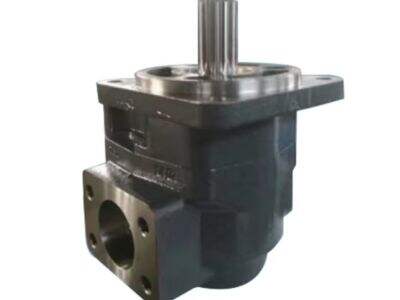
The viscosity of the fluid is a significant consideration in a motor pump's ability to function. Viscosity is a term used to describe how thick or thin a fluid is. With an appropriate level of viscosity, the motor pump is able to shift the fluid easily and efficiently. Too thick, and the pump has to work harder, which can cause issues. If it’s too thin, the fluid might not be sufficiently lubricating. This balance is important for the efficient operation of pump in various industries. At JinJia, we know that controlling fluid viscosity can result in pumps working better and lasting longer.
Why You Should Be Aware of Fluid Viscosity Control in Motor Pump Performance
The viscosity of the fluid being pumped is also very important when using motor pumps. If the fluid is thicker than that, the motor pump has a hard time pushing it through pipes. This can make the pump to get hot or even break. Think about trying to suck a thick milkshake though its straw, for example. It’s a lot of effort to get it through. This is like when a pump has too thick of fluid. If it’s too thin, on the other hand, it might not produce enough pressure. It’s like drinking water through an extremely wide straw. It just goes down too quickly, which might not enable it to do the best job it can.
Pumps are everywhere: on farms, in factories and in our homes. Failure to manage the viscosity can result in increased energy costs. The pump has to work more, requiring more electricity. This can really add up for big machines. Furthermore, using incorrect viscosity can cause pump parts to wear down. It can also, over time, cause those parts to break down and have to be replaced. At JinJia we concentrate in aiding our customers with learning to manage the viscosity of the fluid. We think that when pumps operate globally-optimized, they will consume lower energy and have a long lifetime thus saving money in the long run.
How to Maximize Fluid Viscosity for Better Pump Efficiency
See below for a few things you should consider to ensure the viscosity is up to par. First and foremost, what kind of fluid is in there? There is a wide range of viscosity that fluids can have. For example, oil is a different thickness than water. A visco-meter is a simple contraption that allows you to test the viscosity of a liquid. This instrument allows you to quantify how thick or thin a fluid is. Once the viscosity is known, it’s easier to adjust to meet pump needs.
Viscosity can also be adjusted in the fluid by heating or cooling. For instance: If you run a thick oil, warming it can make it thinner and less resistant to being pumped. Or, conversely if your fluid is too thin you might need to cool it down to make it less viscous. Adding additives can also help. Some agents can alter the thickness of the fluid but not its other properties. This is to say that the pump can function more effectively without much alteration.
We assist our customers in finding the viscosity that's best for their particular pumps at JinJia. We know that every case is different. We offer guidance on the best fluids and how to control their viscosity. Doing so not only increase the pump efficiency but also prolongs the life of your equipment. Its about making all the thingy keeping run smooth is all we want. When pumps are able to operate efficiently with the correct viscosity control, they will save energy and be capable of doing their jobs.
Understanding How to Manage Viscosities in Wholesale Pump Operations
Viscosity is a big word which lets us know how thick or thin a liquid is. Imagine honey and water. Thick as honey or thin as water. In the case of pumping, especially in wholesale operations, managing viscosity is very critical. Liquids that are too viscous, resembling honey, may be more difficult for the pump to push along. This is the same reason that a pump at the bottom of a mountain will have to work much harder. A pump that cranks away too hard can fail, or draw more electricity from the wall than it should. But if the liquid is too thin, with a consistency closer to that of water, it might flow too fast and not work any better.
JinJia knows that to be effective, pumps must pump liquids of the proper viscosity. When companies have to move products in large quantities, they frequently do so with pumps that can transfer around various liquids ranging from oil and chemicals to food. Spills or waste of a product can occur when the viscosity is not carefully regulated. This is the reason why viscosity control plays such a vital role in maintaining successful pump operation. By maintaining the proper viscosity, companies can save money on energy, curb waste and ensure their products make it to where they need to go with no issue.
Viscosity is about maintaining control and that’s good for business. For instance, if a company is using a pump to move thick liquid from one place to another, it might want data on how to thin the liquid in order to make it easier to pump. You will find that JinJia has a means of producing less viscus, to allow the jet fuel to flow freely through the pump. That knowledge allows companies to avoid delays and keep their customers happy. It’s as simple as scratching the oil, the article says. There should be no hitches; every pump should work, and it should transfer oil effectively.
Where you can Get The Best Solutions for Fluid Viscosity Control
It is easier than you think to find the best options on fluid viscosity, it’s just three clicks away. Companies such as JinJia, meanwhile, offer assistance to industry dealing with liquid thickening in their pump operations. A range of products and services provides easy-to-use viscosity control. Whether you are using heavy oils, paints or chemicals; JinJia has the equipment needed to tackle the job correctly.
Viscosity Control Solutions Another/ One excellent way to obtain viscosity control solutions is through searching online. A lot of these companies, JinJia included, have websites where they can see all the products they offer. You can learn how each one works and find the best option for you. Another great way is to chat with people already using viscosity control products. They’re able to talk about their experiences and help you find out what practices work best.
Other than online, it could also be useful to visit a trade show or industry event. Booths for companies like JinJia display their newest products at these events. You can ask questions and watch demos of how viscosity control looks in practice. This hands-on experience can help you to determine what solution is right for your business.
And, last but not least: Think about the customer service. A company that provides good support will assist you if you have questions or need help with your viscosity control products. We are service-oriented, and good customer service is our priority. They are interested in finding the solutions that work for you and your situation. Using these resources, you can quickly identify the right viscosity control for your pump applications.
Picking the Best Viscosity Control Solutions for You
Choosing appropriate viscosity control materials. In selecting a viscosity control product various issues may be taken into consideration. Your pains should not have to be made thicker so that they could cover. Ok, but now you will need to find out what kind of liquid you will use, be safe. Different liquids are different in terms of their thickness and knowing these differences will guide you towards making the right choice of products depending on your needs. An example of this is, when dealing with a much viscous product then your requirement in a more viscous control product will be high as compared to when dealing with a less viscous product.
Next thing is whether you are using the same p ump. Pumps are not created equal. Some are ideal for thick liquids and others favor thin ones. JinJia have the solution to help you select the viscosity control product that is right for your . They’ve got professionals who know pumps and can advise you on what to pick.
The second thing is the use of the same p ump. Pumps are not created equal. They have those that suit thick liquids and those that prefer thin liquids. JinJia can provide you with the solution to make the correct choice of the viscosity control product that matches your hydraulic pump. They have some specialists who are familiar with pumps and they will tell you what to choose.
Another factor to take into account is the quantity of the liquid to be transferred. When you are planning to move a very large amount maybe you will need something very large like it will be able to handle the large amount of paper. Conversely, when you only need to control the viscosity of a small amount of substances, something smaller may be cheaper. It is also reasonable to think about the pace at which you have to push the liquid. Differing products exist in the viscosity control and some are faster than others.
Last but not the least, do not forget to read reviews and seek other peoples advice. It may assist in listening to what other individuals say about a product to ensure that it fits you. There are many contented customers of JinJia, who can be asked to give their testimonies and those are certainly worth visiting. When you do, it is possible to select your choice of viscosity control products that are appropriate to you and which will allow your pump operation to be run smoothly.
Table of Contents
- Why You Should Be Aware of Fluid Viscosity Control in Motor Pump Performance
- How to Maximize Fluid Viscosity for Better Pump Efficiency
- Understanding How to Manage Viscosities in Wholesale Pump Operations
- Where you can Get The Best Solutions for Fluid Viscosity Control
- Picking the Best Viscosity Control Solutions for You