 EN
EN

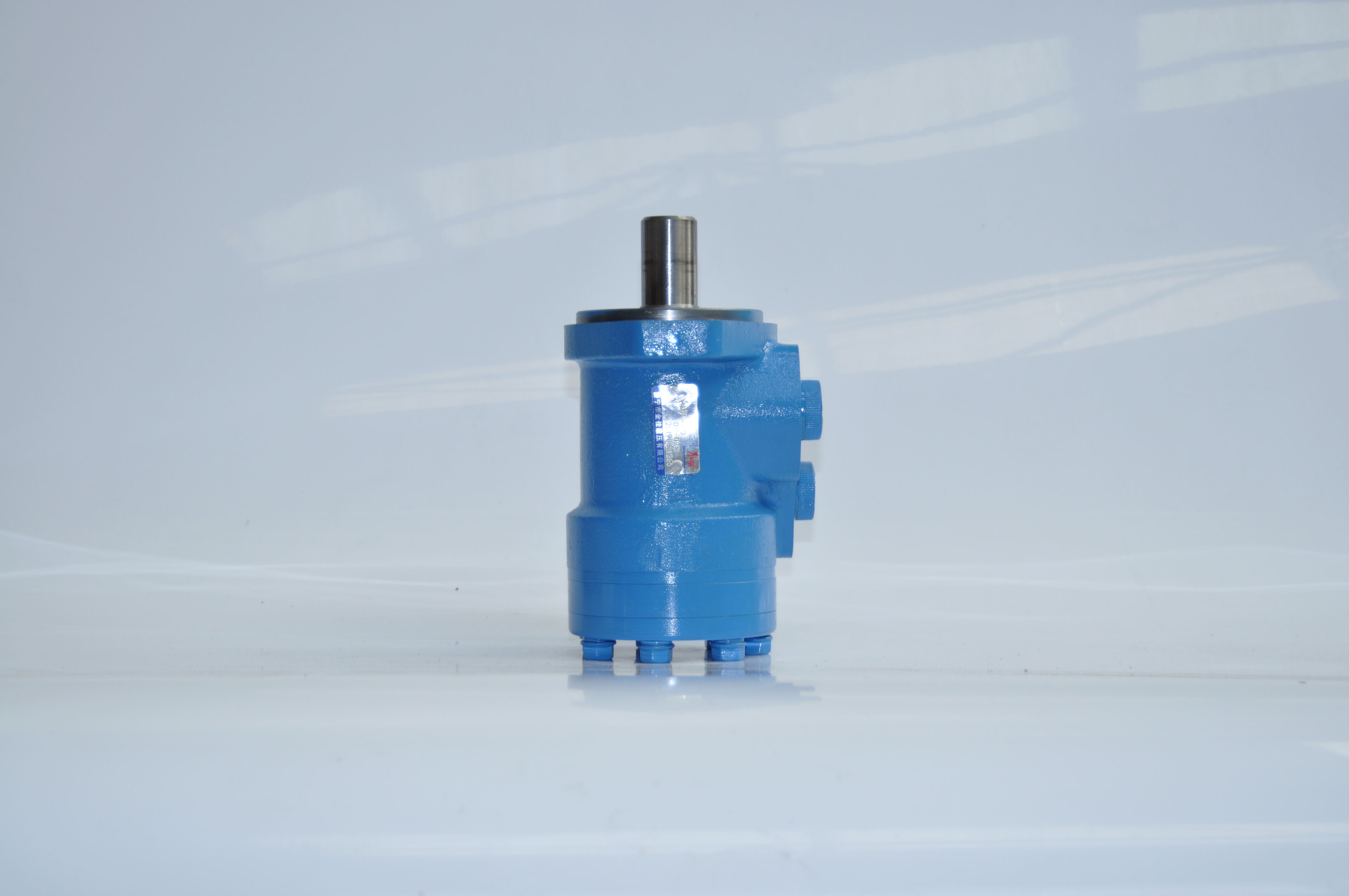
Why does the hydraulic pump vibrate violently?
Severe vibration of hydraulic pumps in hydraulic systems is a common yet challenging issue in equipment maintenance. This intense vibration not only produces annoying noise but also accelerates component wear, causes pipe joint loosening or even cracking, and in severe cases, leads to hydraulic component failures, affecting production safety and efficiency. Pump vibration is not uncommon on engineering sites, and its hazards should not be underestimated. Therefore, understanding the causes of severe pump vibration and promptly troubleshooting is particularly important for hydraulic system engineers and equipment maintenance personnel. Below, we will analyze the reasons for severe pump vibration from a technical principle perspective, combined with the practical applications of gear pumps, vane pumps, and piston pumps
- Air Infiltration and Cavitation Phenomenon
When air mixes into a hydraulic system, the incompressibility of hydraulic oil decreases, often causing cavitation and resulting in irregular intense vibrations during the operation of the hydraulic pump. Cavitation refers to the rapid collapse of bubbles formed in the oil when they enter a high-pressure area, generating localized impacts. Cavitation not only causes the pump to produce sharp noise but also erodes metal surfaces, leaving sponge-like pits, which further exacerbate equipment vibration and damage. The pathways for air infiltration include: leakage in the suction oil line, low oil level in the hydraulic oil tank, the end of the return oil pipe not being submerged in the oil surface, and poor sealing of the pump body. When the flatness of the gear pump body and end cover is insufficient or the oil seal ages, air will be sucked in during operation. Vane pumps, due to their inferior self-priming ability compared to gear pumps (especially small-displacement vane pumps), require particular attention to smooth oil suction and intact sealing. Piston pumps are also afraid of air intake on the suction side under high-demand operating conditions; once air mixes in and causes fuel supply interruption, it may lead to severe cavitation impact and vibration. Therefore, maintaining good sealing and correct oil level in the hydraulic system is crucial. If cavitation is suspected, it can be judged by sound and pressure gauge: if the pressure gauge pointer swings abnormally violently accompanied by a \"sandy\" sound, it often indicates cavitation caused by poor oil suction, and the pump's suction inlet and filter should be checked immediately for blockage or air leakage.
- Difficulty in oil absorption and improper working conditions.
Improper working conditions of hydraulic pumps can also lead to severe shaking, with two common situations being the pump not being able to eat enough oil and operating at overload. When the hydraulic pump speed is too high, the oil suction process may not keep up with the oil discharge rhythm, resulting in insufficient oil suction, causing partial vacuum at the pump inlet and accompanied by pressure fluctuations, ultimately leading to severe pump shaking. Simply put, if the pump rotates too fast but cannot supply oil, it will run idle and cause vibration. This is especially true for gear pumps: during high-speed operation, if oil suction is not timely, the inter tooth sealing chamber will repeatedly experience rapid pressure rise and sudden vacuum, causing strong vibration and noise. For this reason, unloading grooves are usually milled on the structure of gear pumps to alleviate the impact caused by gear oil entrapment. Another scenario is hydraulic system overload operation, where the pump operates for a long time beyond the design pressure or flow rate, resulting in abnormal stress on internal components and causing overall vibration of the machine. When the plunger pump rapidly changes under high pressure and high flow rate, if the suction performance cannot keep up, transient "liquid column separation" will also occur, causing severe impact vibration. In addition, changes in hydraulic oil temperature and viscosity can also affect oil absorption performance: high oil viscosity at low temperatures can increase oil absorption resistance, making it difficult for the pump to suck in enough oil in a timely manner; If the oil is too thin at high temperatures, it may cause vaporization (premature vaporization of the oil). All of these will make it difficult for the pump to absorb oil and induce vibration. In engineering, pumps should be avoided from working for extended periods of time beyond their rated speed or load. If necessary, the speed can be reduced or the oil supply can be diverted, and the hydraulic oil temperature should be ensured to be appropriate. In vane pump and plunger pump systems, auxiliary oil supply pumps or accumulators are sometimes installed to ensure the oil suction demand of the pump under high-frequency operation and prevent shaking due to insufficient oil supply.
- Oil viscosity and pollution factors.
Excessive or insufficient viscosity of hydraulic oil can cause abnormal vibration in hydraulic pump operation. When the viscosity is too high (such as starting at low temperatures or using oil with a high viscosity grade), the flow resistance of the oil increases, and the pump inlet suction is not smooth, which may result in local vacuum causing cavitation and vibration. On the contrary, low viscosity (such as high oil temperature or using too thin oil) can cause the lubricating oil film to become thinner, increase internal friction in the pump, and result in poor lubrication of components, leading to wear and abnormal vibration. Therefore, hydraulic oil of appropriate viscosity level should be selected according to the working environment of the equipment, and the system temperature should be ensured to be within the normal range. In addition, the cleanliness of the oil is also crucial for the smooth operation of the pump. Pollutants can exacerbate pump wear and even cause moving parts to jam, resulting in vibration and noise. The precision fit clearance of the vane pump is small, making it particularly sensitive to oil contamination; Once impurities make the blade movement ineffective, it will cause unstable pump output pressure and vibration. If particles such as iron filings are mixed into the gear pump, it may cause tooth surface scratches, gear eccentric wear, and produce noise and vibration similar to biting teeth during operation. The plunger pump has the highest requirement for oil cleanliness, and even small particles can accelerate the wear of the plunger and cylinder bore, resulting in pressure pulsation and vibration faults. Keeping hydraulic oil clean can greatly reduce such risks. Regularly replacing filter elements and monitoring oil quality to prevent viscosity deterioration and excessive pollution are the daily work priorities of equipment maintenance personnel.
- Mechanical installation and structural issues:
The installation and internal structural factors of hydraulic pumps can also cause severe shaking. Firstly, improper installation. If the drive shaft of the hydraulic pump is not aligned with the motor axis or the coupling is poorly installed, additional mechanical stress and eccentric force will be generated during pump operation, causing severe frame vibration. Many on-site cases have shown that a slight misalignment of the axis can cause the pump to bounce during high-speed rotation, leading to early damage to the seals and bearing wear. When installing correctly, use a coupling to align the axis and tighten the pump support. If necessary, add vibration damping pads. Secondly, the manufacturing or wear of internal components of the pump may be the root cause of vibration. For example, gear pumps with poor gear accuracy, small tooth clearance, or bearing wear can disrupt the balance of operation and produce significant vibration and noise. The gear pump itself has an inherent disadvantage of radial unbalance force, which can generate alternating loads on the bearings and housing, and is more prone to shaking when designed and assembled improperly. If there is local wear on the inner surface of the stator or insufficient elasticity of the blades in a vane pump, it may also cause uneven force on the blades, leading to vibration during rotation. A plunger pump contains multiple high-speed reciprocating components. If there are individual plungers or sliding shoes that are worn or loose, there may be impact and flow pulsation, manifested as overall vibration. In addition, loose bolts fixing the pump and pipeline, insufficient stiffness of the foundation support, can also amplify subtle vibrations during normal operation, resulting in visible "severe shaking" to the naked eye. Therefore, during equipment maintenance, the condition of couplings, fasteners, and internal parts of the pump should be checked, and any problematic components should be promptly corrected and replaced.
Engineer's suggestion
Regarding the issue of severe shaking of hydraulic pumps, engineers provide the following suggestions for reference:
Timely check for cavitation and air leakage: In case of abnormal noise or severe fluctuations in the pressure gauge pointer, the first thing to check is whether the suction filter element is blocked, whether the suction pipe joint seal is intact, whether the oil level in the tank is low, and whether the return pipe is inserted into the oil level. Eliminating air intake hazards can effectively reduce hydraulic pump vibration. If necessary, increase sufficient oil filling pressure at the pump inlet (such as installing a supplementary oil pump or raising the height of the fuel tank) to prevent cavitation.
Reasonably control operating parameters: comply with the rated speed and pressure specifications of the hydraulic pump, and avoid long-term overspeed and overload operation. For pumps with limited self-priming capacity such as gear pumps, the machine should be warmed up by idling at low temperatures to reduce the viscosity of the oil before operating at full load to prevent vibration caused by difficulty in oil suction. In a multi pump system, parallel accumulator can be considered to stabilize pressure pulsation and reduce the impact of rapid action on the pump.
Select appropriate oil and maintain regularly: Choose hydraulic oil with the appropriate viscosity grade according to the ambient temperature to avoid the oil being too viscous or too thin, which may affect the pump's suction and lubrication. Regularly replace or filter the oil to maintain its cleanliness. Especially on equipment using vane pumps and plunger pumps, the oil filtration and replacement plan should be strictly implemented to prevent impurities from entering and causing vibration faults.
Check installation and parts condition: Ensure that the hydraulic pump and motor shaft are well aligned, the coupling installation meets the requirements, and regularly tighten the pump's anchor bolts and pipeline supports. If abnormal wear or loose parts are found inside the pump, repair or replace them in a timely manner. For gear pumps, the wear of gears and bearings can be checked; Check if the blade and stator fit properly for the vane pump; For plunger pumps, attention should be paid to the wear of the plunger, sliding shoes, and inclined plate. Equipment troubleshooting should be carried out item by item from external to internal, from easy to difficult, in order to detect problems early and prevent them before they occur.
From the above analysis, it can be seen that "why hydraulic pumps shake violently" is not an unsolvable mystery. Cavitation, difficulty in oil absorption, improper working conditions, oil problems, and mechanical installation factors are common causes. For practitioners in the hydraulic industry, mastering these principles and taking preventive measures is necessary to effectively reduce gear pump noise and vibration, extend equipment life, and ensure stable and efficient operation of hydraulic systems. Whenever there is abnormal shaking in the hydraulic pump, it is recommended to review the above points for equipment troubleshooting. We believe it will help you quickly identify the cause, prescribe the right medicine, and solve the problem.