 EN
EN
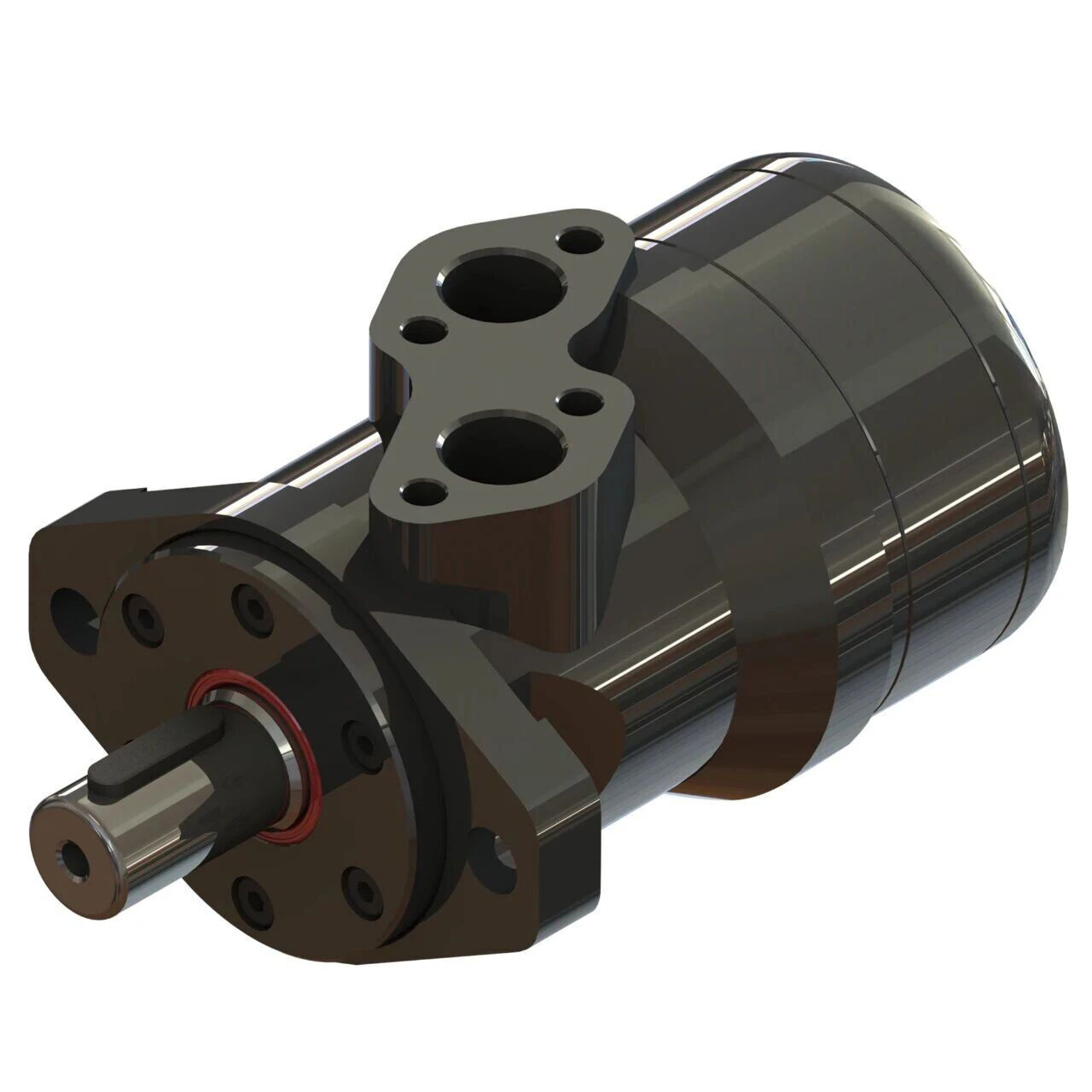
As the executing component in hydraulic systems, hydraulic motors are key components that convert pressure and flow into mechanical output force and speed.
In the operation of hydraulic systems, appropriate temperature rise is a normal phenomenon, but when the hydraulic motor housing overheats significantly, it not only affects performance, but may also lead to oil oxidation, aging of seals, decreased system efficiency, or even premature damage. Therefore, accurately analyzing the root cause of hydraulic motor heating is an important prerequisite for ensuring stable and efficient operation of equipment.
1、 Hydraulic oil factor: directly affects temperature and lubrication performance
1. Improper viscosity of hydraulic oil leads to an increase in flow resistance and frictional heat. The viscosity of hydraulic oil directly determines the fluidity and lubrication efficiency of the oil in the system. When the viscosity is too high, the flow of the oil is obstructed, increasing the flow resistance loss and generating more heat; If the viscosity is too low, it is difficult to form a stable oil film, leading to increased direct metal friction between components and causing overheating. Therefore, selecting the ISO viscosity grade of hydraulic oil correctly and adjusting it according to the on-site temperature conditions is an important measure to control temperature rise. 2. Hydraulic oil pollution (impurities, moisture, bubbles) leads to increased friction. Hydraulic oil pollution is one of the common causes of system overheating. Solid particles, moisture, or air mixed into oil can reduce the lubricity of the oil, increase local flow resistance, and generate high temperature points. For example, air mixed with oil forms cavitation bubbles, which rupture at high pressure and generate high-energy impact and a large amount of heat.
Improvement measures:
Regularly replace the filter element and monitor the cleanliness of the oil;
Avoid air leakage from the oil suction port;
The control fuel tank has good sealing performance.
2、 System operating parameters and pressure factors 3 Excessive system pressure leads to energy loss being converted into heat in hydraulic systems. If the pressure setting continues to exceed the designed tolerance range of the hydraulic motor, excessive energy loss will occur, which will ultimately be converted into heat, causing the motor and oil temperature to rise. Excessive system pressure can also increase internal leaks, exacerbating wear and heat generation.
Optimization suggestion: Adjust the system pressure according to the manufacturer's specifications; Check if the safety valve and overflow valve are working properly.
4. Excessive back pressure leads to increased oil return resistance and heating
Excessive resistance in the return oil pipeline can create back pressure, making it difficult for the oil to smoothly return to the tank, increasing the internal circulation burden of the motor and generating more heat. This problem is particularly prominent when the return pipe diameter is too small, there are too many bends, or the filter element is clogged.
Countermeasure:
Ensure that the return oil channel is unobstructed;
Adjust pipeline design or pressure relief valve settings.
3、 Mechanical wear and internal component factors 5 The wear of internal components of the motor causes an increase in friction and heat. As the equipment operates, the wear of internal components such as the distribution plate, bearings, and sliding shoes in hydraulic motors can lead to changes in clearance and poor lubrication. This internal friction not only reduces efficiency but also generates additional heat. When the wear is severe, an increase in internal leakage will further reduce energy utilization efficiency.
Suggested maintenance: Regularly check for wear and tear; Replace aging or worn components; Ensure that the oil is clean to reduce wear and tear.
6. Mechanical friction caused by installation errors
Improper installation, such as excessive radial or axial loads, or misaligned shafts, can cause additional mechanical friction between the motor bearings and transmission parts, resulting in an increase in the temperature of the motor housing and oil.
Troubleshooting method:
Check the accuracy of installation coordination;
Correct installation deviations;
Reduce lateral load.
4、 Insufficient cooling environment and system design 7 High ambient temperature or poor ventilation can affect heat dissipation. When operating in a closed or high-temperature environment, the heat dissipation capacity of the hydraulic system will significantly decrease, and external heat sources will combine with internally generated heat, making it difficult to effectively release the oil temperature. Especially when there is a lack of good ventilation conditions.
Improvement measures: Optimize ventilation in the work area; Install fans or auxiliary cooling devices.
8. Insufficient cooling system capacity leads to heat accumulation
Unreasonable design or poor maintenance of heat dissipation devices such as fuel tanks, oil coolers, and cooling fans can prevent heat from being discharged from the system in a timely manner, resulting in temperature accumulation. Insufficient heat dissipation efficiency is one of the common temperature issues in hydraulic systems.
Suggestion:
Regularly check if the cooler is blocked;
Clean the surface of the radiator;
Install cooling equipment with larger heat dissipation capacity in high load systems.
5、 Other easily overlooked heating factors 9 Insufficient oil level leads to insufficient heat dissipation and lubrication. A low oil level in the tank can reduce the heat dissipation area of the oil, and may also cause suction, cavitation, and increased friction, resulting in abnormal temperature rise.
10. Mismatch between flow rate and motor leads to turbulence and pressure drop. Improper design of oil flow rate can cause local pressure drop and turbulence, resulting in additional heat generation. Unreasonable throttling control can also convert pressure loss into heat.
To accurately locate the cause of hydraulic motor overheating, it is recommended to follow the following steps for system diagnosis: check the oil status and oil specifications
Including oil viscosity, cleanliness, and the presence of moisture or bubbles. Monitoring system operating parameters
Record the pressure, back pressure, and flow values, and compare them with the equipment design values. Evaluate the performance of the cooling system
Check the fuel tank design, cooling equipment, and ventilation conditions. Mechanical component inspection
Check the internal wear and installation accuracy of the motor. Continuous monitoring and maintenance
Regularly replace the oil, clean the filter element, and maintain the cooling equipment.
Conclusion:
Overheating of hydraulic motor housing is a manifestation of multiple factors, and cannot be explained solely by a single factor. Reasonable selection of oil, rational design of pipelines and pressure, regular maintenance, and good heat dissipation conditions are key to reducing hydraulic motor heating, improving system reliability, and extending service life. By combining on-site data with system diagnostic ideas, it is possible to effectively identify and solve overheating hazards, and improve the overall efficiency and stability of equipment.